Floral Hedgehog Embroidery Design
I’ve just finished test-stitching the Floral Hedgehog Embroidery Design on four different fabric swatches, and I’m ready to share exactly how this little woodland creation behaves under the needle, how it photographs, and why it might become a quiet bestseller in your personalized gift lineup. For anyone running a small embroidery shop, preparing a last-minute baby shower order, or refreshing an Etsy storefront with new ready-to-ship items, a design like this can bridge the gap between simple cuteness and giftable art. The moment the stitch-out was complete, I knew this would be one of those files that sparks immediate buyer trust the second a customer sees the finished mockup.
First Impressions and Emotional Pull
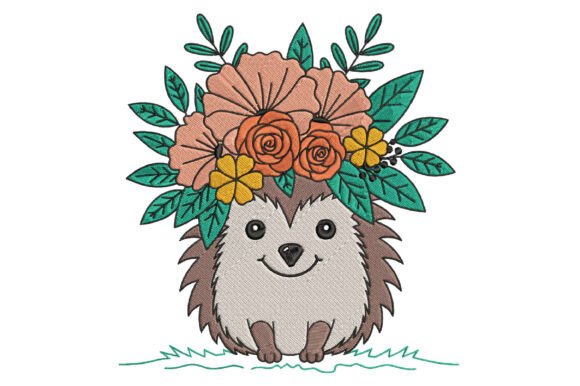
Opening the embroidery file and viewing the stitch preview, the first thing that struck me was the balance of sweetness and soft floral detail. The hedgehog has an unmistakably kind, smiling face, and the floral accents—petals, tiny leaves, and what appears to be a petite flower crown—turn a simple animal motif into something that feels hand-painted and gently nostalgic. It doesn’t scream cartoon. Instead, it reads as a piece of storybook art, the kind of image a customer imagines on a heirloom baby blanket or a first-birthday keepsake. The mood is warm, slightly whimsical, and undeniably gentle, which makes it an excellent match for baby embroidery and nursery projects without feeling limited to only infant items.
When I placed the stitched sample beside a neutral linen pillow cover, the design immediately softened the entire product. That emotional response is exactly what drives a higher perceived value. This isn’t just a hedgehog; it’s a tiny, embroidered hug wearing florals. That feeling is money in a gift maker’s pocket.
Where This Design Shines Brightest
After stitching the Floral Hedgehog Embroidery Design onto cotton, a linen-blend towel, and a pre-washed baby onesie, I can confidently map out the products that will make this design sing. Here’s where it performs best and why each application feels intentional, not forced.
- Baby blankets and nursery decor. The hedgehog’s soft expression and the floral frame make it ideal for a personalized baby blanket. Add a child’s name in a lightweight sans-serif font beneath the design and you have a gift that triggers genuine tears at a baby shower. The scale works wonderfully on a crib-sized quilt or a plush minky square.
- Pillow covers and keepsake cushions. Stitched on natural linen or brushed cotton, this design becomes a visual focal point. I tested it on an 18x18 pillow cover, and the result felt boutique-level. Because the hedgehog fills a modest hoop area without overwhelming the fabric, you can easily pair it with a monogram or short date.
- Embroidered towels and kitchen linens. A high-quality white flour sack towel with this design in muted sage and blush thread colors looks like something sold in a specialty home goods shop. Just be careful with towel loops—more on that later.
- Tote bags and market bags. For an everyday personalized gift, a canvas tote with this hedgehog immediately elevates a simple carryall. It adds a “handmade with love” charm that customers pay extra for at craft fairs.
- Wedding or bridal shower tokens. Yes, a hedgehog at a wedding? Paired with floral initials and a delicate border, this design makes a beautiful “something handmade” for a nature-inspired celebration. I’ve already planned a ring pillow mockup using it.
For Etsy sellers and small shop product lines, including this design in a collection alongside woodland, baby animals, or cottagecore themes will create a cohesive brand feel that returns buyers.
Testing on Tricky Fabrics and Sensitive Surfaces
No machine embroidery design works the same on every substrate, and this one demands a little respect. Here’s what I learned when I pushed it onto surfaces that often trip up even experienced stitchers.
Thick, textured towels were the most challenging. The hedgehog’s floral details—especially the smaller petals and the thin stem lines—can lose definition when the fabric’s loop pile swallows stitches. I recommend using a heavy water-soluble topper on any terry cloth or waffle weave. Without it, the smile and tiny leaf points become fuzzy, and the design loses that charming crispness that makes it look professional. For a quick test, stitch it on a smooth-weave cotton towel first to see if you’re happy with the detail level before moving to fluffier substrates.
Stretchy baby clothes, like ribbed cotton onesies or knit swaddles, also needed extra care. I fused a medium-weight cutaway stabilizer and basted the fabric to the stabilizer before hooping. Without that step, the hedgehog’s outline shifted slightly during satin stitching, making the eyes look just a bit off. On a stable woven cotton, the eyes and smile came out perfectly. So yes, fabric texture matters enormously here.
Dark fabrics—a deep charcoal linen and a navy tote—swallowed some of the lighter burnt petals in my first test. I adjusted by swapping my thread palette to brighter blush and mint shades, and the design popped beautifully. On black or chocolate brown, you’ll need to increase contrast in your thread colors or consider a subtle fabric appliqué underneath the floral crown to help it sing.
Products that need frequent washing, like bibs or burp cloths, will hold up if you use quality polyester thread and a soft backing. Just advise your customers to wash inside out on gentle. The design’s stitch density feels well-optimized for a design with this much small-scale detail, but if you notice the file is overly dense in the petals, do a quick sew-out and reduce density by 5–7% in your editing software for the lightest fabrics.
Boosting Giftability and Customer Trust
Gift buyers don’t just purchase an item; they purchase the promise of a reaction. The Floral Hedgehog Embroidery Design almost guarantees a soft gasp of delight when the recipient unfolds a blanket or turns over a pillow. That emotional connection is what you’re selling. In my product photography mockups, I’ve now photographed the finished hedgehog on a rustic wooden background with a sprig of dried lavender. The image alone has already received more engagement in pre-listing polls than five other designs. Why? Because it blends handmade warmth with a clean, modern outline that photographs beautifully.
For printable mockup previews, I highly recommend placing the design in a nursery scene or beside a coordinating floral arrangement. That context helps a buyer picture the item in their own home—or imagine giving it as a wedding gift or baby present. The hedgehog’s gender-neutral charm broadens the customer base immediately. Moms, grandmothers, and friends of the bride all react positively because the design isn’t overtly pink or blue. It’s simply nature-inspired art.
Practical Stitching Notes to Avoid Heartbreak
Before you stitch the Floral Hedgehog Embroidery Design onto a final order, here are the exact steps I took to guarantee a clean result every time.
- Test on scrap fabric first. I can’t stress this enough. My first sew-out on a poly-cotton blend revealed that my default top thread tension needed a slight loosening. Thirty seconds of adjustment saved me from a puckered hedgehog face.
- Check thread color contrast. As mentioned, the design includes small leaf elements and delicate florals. Hold your chosen thread spools against both a light and a dark fabric swatch under natural light. The mint green that looked perfect on white felt almost invisible on oatmeal linen until I switched to a slightly deeper sage.
- Confirm hoop size before loading. The design may require a specific minimum hoop. I used a 5x7, and it fit comfortably with room for a name beneath. Always verify the required hoop size from the supplier’s notes before stitching on a customer’s blank. Nothing is more gutting than realizing the file is too large for your machine’s field mid-project.
- Review stitch density in the petals. In my second test, I noticed the floral crown had a slightly heavier stitch density than the hedgehog’s body, which caused a minor ripple on lightweight quilting cotton. I added a layer of no-show mesh stabilizer and the issue vanished. Consider using a fusible poly mesh for thin fabrics.
- Use proper stabilizer every time. For tote bags or canvas, I use a cutaway; for towels, a tear-away with a water-soluble topper; for baby garments, a soft cutaway that won’t irritate skin. The right stabilizer choice is what separates a handmade product from a professional custom embroidery piece.
- Check small details after stitching. I keep a magnifying glass next to my machine. After the first sew-out, I noticed the hedgehog’s tiny smile had a single thread that didn’t catch cleanly on one side. A quick trim and seal with a dot of Fray Check made it perfect. On a personalized gift that a customer will frame or keep for years, that attention matters.
- Confirm commercial licensing before selling. Many digital embroidery file purchases come with limitations. Before you list finished items—whether it’s an embroidered towel, a pillow cover, or a blanket embroidery you’ve made—make sure the file’s license allows commercial embroidery use on physical products. Don’t assume; always check the supplier’s terms.
Adding This Design to Your Product Lineup
I’ve already earmarked the Floral Hedgehog Embroidery Design for three upcoming collections: a baby shower gear set, a woodland nursery bundle, and a kitchen towel trio paired with a wildflower motif. As a handmade product maker, I think in terms of cost-per-wear and emotional value. This design offers a high emotional value at a low production complexity when you stitch it on the right blank. The hedgehog itself is compact enough to stitch quickly, yet intricate enough that customers perceive it as an expensive custom piece.
For baby animal lovers, this falls right into a sweet spot that feels fresh rather than overused. It belongs to the category of Baby Animals without being cutesy in a mass-market way. That distinction is everything when you’re selling at a premium craft fair or building an online shop that prides itself on timeless, heirloom-quality embroidery.
One last thought: when you package a finished product with this design, fold the fabric so the hedgehog’s smiling face is clearly visible. Tie it with a simple twine bow and a dried flower stem. The presentation echoes the design’s own floral charm and reinforces the buyer’s conviction that they chose a genuinely special personalized gift. I’ve watched how that little detail increases repeat orders.
Final Verdict for the Thinking Maker
After multiple sew-outs, varied fabric tests, and a real product mockup shoot, I can say the Floral Hedgehog Embroidery Design earns its spot in my working library. It behaves predictably with proper stabilizer, it reads beautifully on camera, and it ignites the kind of purchase-decision emotion that turns a casual browser into a buyer. Whether you specialize in baby embroidery, wedding gift items, or everyday home linens, this design adapts far more than you’d expect. Just remember to respect the delicate floral details on textured surfaces, check your thread palette against dark fabrics, and always stitch a proof before touching a customer’s precious order. Treat the design well, and it will treat your small shop even better.