Cute Panda Face Embroidery Design: A Designer's Review
When a customer reaches out asking for something sweet and whimsical for a baby shower gift, a nursery set, or a boutique children's apparel order, I immediately start sifting through my digital embroidery file library. Recently, I took a close look at the Cute Panda Face Embroidery Design from Creative Fabrica, listed under the Baby Animals category, and decided to give it a thorough evaluation before committing it to a real project. As someone who has stitched hundreds of custom orders on everything from delicate onesies to sturdy canvas tote bags, I know that not every machine embroidery design translates well from screen to fabric. Here is my honest, hands-on perspective after working with this particular Embroidery file and considering it for multiple product scenarios.
First Impressions and Visual Mood
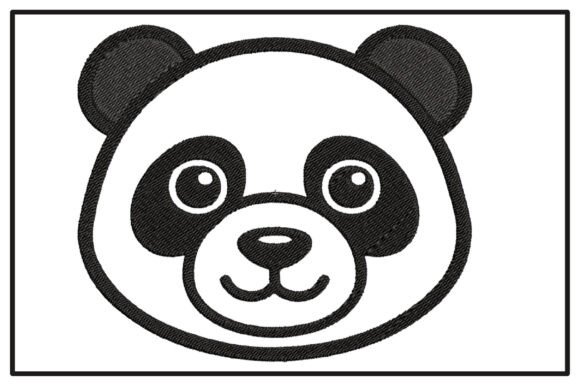
Opening the design file, the first thing that struck me was the gentle, inviting expression on the panda's face. The slightly tilted head, rounded cheeks, and soft eye patches create an instantly endearing mood without veering into overly cartoonish territory. This balance matters enormously when you are selling finished products. A design that is too juvenile limits your buyer demographic, while one that is too stylized might not resonate with customers looking for classic nursery decor. The Cute Panda Face Embroidery Design lands in a sweet spot that feels versatile enough for a baby blanket, a kitchen towel, or even a subtle accent on a linen pillow cover.
The design description calls it a Whimsical Baby Panda Head Embroidery File, and that whimsy comes through in the way the facial features are proportioned. The eyes have a gentle sparkle, and the little nose and mouth area are rendered with restraint. There is enough detail to feel intentional and professionally crafted, but not so much that you worry about the stitching becoming muddy on textured fabric or after repeated washing. In my experience, this is exactly the type of embroidery file that photographs beautifully on finished products, which is a real advantage when building Etsy listings or social media content for your handmade shop.
Stitching Personality and Detail Level
When I examine any Creative Fabrica embroidery design, I pay close attention to how the stitch types are likely to behave on different materials. The panda face appears to rely on well-placed areas of satin stitch for the defining black patches around the eyes and ears, while the white face base seems to use a smooth fill stitch structure. Small accent details, such as the tiny nose and mouth, look like they would use a precise running stitch approach. This combination typically produces clean results, provided the stitch density is appropriate for the fabric you choose.
One thing I always do before running a customer order is check whether small details might close up or distort. With this panda face, the eye highlights and the subtle curve of the mouth are the areas I would examine most carefully on a test stitch-out. If the design is digitized with proper density, those fine details should read clearly at the intended size. I strongly recommend testing on a scrap of fabric similar to your final product, because even a beautifully digitized machine embroidery design can surprise you once thread tension and fabric come into play.
Where This Panda Design Shines in Real Projects
I evaluate every digital embroidery file through the lens of actual product categories I sell. Here is where this panda face fits naturally and where I would exercise caution.
Nursery Decor and Baby Items
This is the most obvious category, and for good reason. The soft, soothing expression on the panda makes it a strong candidate for baby blankets, crib sheets, bibs, burp cloths, and nursery wall hangings. I have learned that parents gravitate toward Baby Animals designs that feel gentle rather than loud, and this panda delivers that quiet charm. When stitching on baby items, I always use a soft, no-scratch backing stabilizer because infant skin can be sensitive. The design's relatively contained shape also means it fits comfortably within a small to medium hoop, which is important when working on tiny garments or accessories.
Custom Apparel and Accessories
For custom apparel orders, I can see this panda working especially well on children's sweatshirts, hoodies, and t-shirts. It would also make a charming accent on a denim jacket pocket or the upper chest area of a simple tee. The key with sweatshirt embroidery is managing the fabric's stretch and loft. A design with moderate stitch density and enough open space, like this panda face, tends to fare better on knit fabrics than an overly dense design that can feel stiff and crack over time. For caps, the rounded composition might work on the front panel of an unstructured cap, but I would check the curvature carefully since curved cap surfaces can distort facial proportions if the design is too wide.
Handmade Gifts and Craft Fair Products
I regularly sell at craft fairs, and I can tell you that personalized gift items featuring cute animal faces move quickly. Picture this panda on a plush tote bag design, a set of matching kitchen towels, or an embroidered patch that customers can iron onto their own belongings. The design reads instantly as a panda, which matters for impulse purchases at a booth. Shoppers do not want to squint and guess what they are looking at. Pairing the panda with a simple name or short text in a complementary thread color could easily elevate a standard handmade product into a memorable gift.
Home Goods and Kitchen Linens
Not every embroidery design translates well to home goods, but I find that facial designs with clean outlines and moderate detail work nicely on apron bibs, kitchen towel corners, and pillow cover accents. The black-and-white nature of a panda means you do not need an extensive palette of thread colors to make the design pop. You can match the panda to virtually any kitchen or nursery color scheme without clashing. That kind of flexibility is valuable when you are building a product line with consistent branding.
Practical Embroidery Considerations
No matter how pretty a design looks on screen, real-world stitching conditions determine whether your finished product meets customer expectations. Here are the practical points I would work through with this Cute Panda Face Embroidery Design.
Fabric and Stabilizer Choices
The fabric you choose directly affects how the panda's face details present. On light-colored, tightly woven cotton, the white fill area surrounding the black patches should look clean and intentional. On a dark fabric, however, the white fill becomes the star of the show, and any gaps or density issues will be immediately noticeable. I always suggest running one test on a dark scrap before committing to a dark garment. For stretchy fabric like a t-shirt or onesie, a quality cut-away stabilizer is non-negotiable. For textured fabric like terry cloth for a baby towel, a topper helps prevent stitches from sinking into the pile. With this design, the facial features are the focal point, so preserving clarity on textured surfaces takes a bit of extra care.
Hoop Size and Placement Tips
I cannot stress enough how important it is to confirm the design's exact hoop size requirements before purchasing. The Creative Fabrica product page should list the dimensions and compatible formats. As an embroidery designer, I always check that a design will fit within my available hoops and that placement on the finished product leaves enough margin for finishing seams, clasps, or folding. For totes and pillows, you also need to consider whether your hoop throat can reach the intended stitching area. I recommend measuring twice and hooping once, especially when you are working on a paid order with a deadline.
Thread Colors and Contrast
At first glance, a panda seems simple: black and white thread, and you are done. In practice, pure white thread on bright white fabric can look washed out, while bright white on cream or natural fabric can look stark and disconnected. I often use an off-white or very light gray thread for the main face area on warmer-toned backgrounds. For the black patches, a true black thread provides crisp contrast, but a very dark charcoal can sometimes look more natural. Thread colors are a small decision that makes a significant difference in how professional the finished product looks. Swatch testing with your specific thread brand is always time well spent.
Commercial Use and Selling Finished Products
For Etsy sellers, boutique owners, and commercial embroidery operators, licensing matters as much as stitch quality. Before listing any item made with this Creative Fabrica embroidery design, I would carefully review the license terms on the product page. Does the license allow you to sell physical finished items? Are there any attribution requirements or quantity limits? I never assume anything. I check the product details, download the license documentation, and keep a copy for my records. This protects both my business and the trust I have built with my customers. Selling embroidered products commercially without verifying usage rights is a risk I refuse to take.
Beyond licensing, the design itself can influence your product value and brand perception. A well-executed panda face on a sweatshirt or tote gives off an aura of careful craftsmanship. Customers perceive higher value when embroidery looks neat, proportionate, and professionally stitched. This perception feeds directly into your product photography, where close-up shots of crisp stitch work become compelling listing images. The right design can strengthen your brand consistency and build buyer trust over time, especially when you curate a recognizable style across your shop.
Pre-Stitch Checklist and File Verification
I always follow a set routine before loading a new digital embroidery file onto my machine. For this panda design, I would run through the following steps to avoid unpleasant surprises.
- Load the file into my embroidery software and preview the stitch sequence to understand the stitching order.
- Confirm the exact dimensions and verify that they match my intended hoop.
- Check the listed formats against my machine's requirements.
- Read through the product description on Creative Fabrica for any designer notes about recommended stabilizer, needle type, or special instructions.
- Gather my threads and compare multiple shades against my fabric swatch.
- Stitch a full test on a fabric that closely matches the final product in weight, stretch, and texture.
- Inspect the test closely for any thread breaks, density issues, or small details that may need attention.
I know it can be tempting to skip the test stitch when you are excited about a new design, but I have learned the hard way that even a few minutes of testing saves hours of rework and protects your reputation with buyers. This is doubly true for designs intended for handmade product lines that need to withstand washing and regular use.
Who Should Download This Design
If you create nursery decor, baby shower gifts, children's apparel, or whimsical home goods, this Cute Panda Face Embroidery Design deserves a spot in your design assets library. It fills a specific need for a baby animal motif that is cute without being saccharine, and it is versatile enough to move across multiple product categories. For craft fair vendors and Etsy sellers, it offers strong gift appeal and photographs beautifully. For those who create printable mockup images or sell digital product bundles, the design could also work as a visual asset, but again, I would confirm the license terms for that particular use case.
If you primarily stitch large-format designs or work exclusively on performance wear and corporate apparel, this panda likely falls outside your niche. But for the maker who wants to add a universally beloved animal to their embroidery repertoire, it is worth serious consideration. Just remember to check every detail on the Creative Fabrica product page before downloading, because file compatibility, hoop size, and license terms are the practical backbone of any commercial embroidery project. In the end, a great design is only great if it works reliably within your specific production setup and delights the person who ultimately holds the finished piece in their hands.