Floral Vine Embroidery Design: A Designer Review
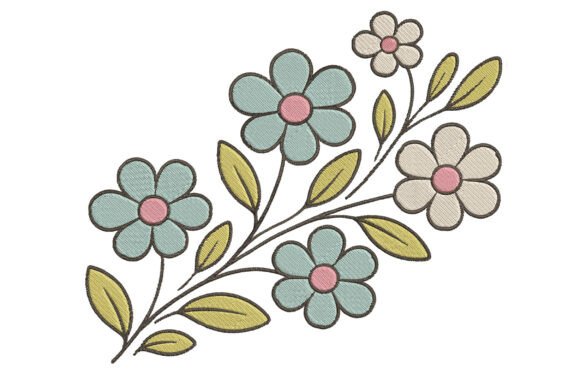
When I first opened the Floral Vine Embroidery Design file and examined the stitch preview, I immediately pictured it on a soft oatmeal sweatshirt, stitched in muted terracotta thread. That is the moment every embroidery designer chases — seeing the finished product in your mind before the hoop even touches fabric. This particular design from Creative Fabrica embroidery carries a graceful, botanical personality that feels both timeless and remarkably current for boutique apparel collections.
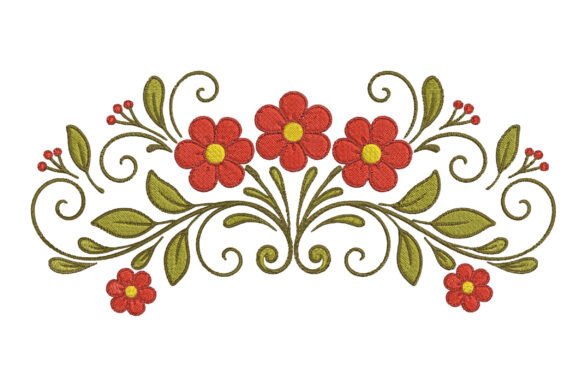
The visual mood of this machine embroidery design leans into refined femininity without tipping into overly delicate territory. The flowing ornamental vines have enough structure to hold their own on heavier fabrics, while the leaves and botanical curves soften the overall impression. It strikes a balance between classic decorative charm and the relaxed, elevated casualwear that dominates Etsy shops and small clothing brand lookbooks right now. If you are building a cohesive apparel line around nature-inspired motifs, this design deserves a serious look.
First Impressions and Design Personality
What stands out immediately is the rhythm of the vine work. The curves feel organic rather than stiffly symmetrical, which matters enormously when you are stitching on garments that move with the body. A rigidly mirrored border design can look unnatural on a worn piece, but this embroidery file appears to flow with a hand-drawn quality that reads as intentional and artful.
The detail level suggests a design that will reward careful thread color selection. I can see it working beautifully in single-color executions — think ivory on sage green, dusty rose on cream, or charcoal on heathered grey — as well as multi-color interpretations where leaves and blooms get distinct treatment. The decorative strength lies in its versatility. It feels premium without being fussy, which is exactly the sweet spot for boutique brand merchandise that needs to photograph well and sell at a higher price point.
Apparel Placement and Project Ideas
When planning a small sweatshirt and hoodie collection, placement is everything. Here is how I would approach using the Floral Vine Embroidery Design across different garment types and positions.
Sweatshirt Embroidery: Chest and Collar Framing
For sweatshirt embroidery, the most natural home for this design is the left chest or a slightly offset chest placement that follows the neckline curve. Because the design features flowing vines, positioning it so the botanical elements arc gently along the collar or shoulder seam creates an intentional, custom feel. On crewneck sweatshirts in neutral tones — oatmeal, mushroom, soft beige, washed black — this design can serve as a subtle signature mark that elevates the entire garment.
For oversized sweatshirts, consider scaling the design slightly larger and placing it off-center toward the hem. This asymmetrical approach works brilliantly for lifestyle product photos and helps your custom apparel stand out in crowded Etsy search results. Buyers browsing for unique handmade product options respond strongly to thoughtful placement that feels designed rather than stamped on.
Hoodie Chest Placement and Sleeve Accents
Hoodies present both opportunity and challenge. The chest area on a pullover hoodie offers a flat, stable surface that holds embroidery beautifully. A centered hoodie design using this floral vine motif could anchor an entire seasonal drop. I would test the design in a size that spans roughly four to five inches wide for standard adult hoodie fronts, ensuring the vine details remain crisp without overwhelming the garment.
Sleeve accents represent another compelling use case. A vertical or gently curving placement along the outer forearm of a hoodie sleeve adds a designer detail that customers notice and comment on. This type of unexpected embroidery placement signals a boutique brand sensibility and justifies premium pricing. The narrow, elongated nature of vine designs makes them particularly well-suited to sleeve applications where wider motifs might feel clunky.
T-Shirt Embroidery and Lighter Fabrics
On t-shirts, the Floral Vine Embroidery Design can work as a chest accent, but fabric weight becomes a critical consideration. Lighter jersey knits require careful stabilizer choices to prevent puckering around dense stitch areas. I recommend testing on a similar-weight t-shirt before committing to a production run. A small chest placement — roughly three inches at its widest point — tends to stitch out cleanly on midweight cotton tees while keeping the design legible.
Tote Bag Design and Lifestyle Products
Beyond apparel, this design translates wonderfully to canvas tote bags. A vertical vine running along one side of a sturdy tote creates a tote bag design that feels elevated and giftable. Tote bags also provide an excellent canvas for testing thread color combinations since the flat woven surface is forgiving and photographs well for printable mockup displays and social media graphics.
Fabric Considerations and Practical Challenges
Every experienced embroidery designer knows that a beautiful design file matters little if it cannot stitch out cleanly on the intended fabric. Here are the key considerations for this design across common boutique apparel materials.
Fleece and Stretchy Fabrics
Fleece-backed sweatshirts and hoodies remain the backbone of boutique apparel collections, but they demand respect during embroidery. The nap of fleece can swallow fine details, so thread color contrast becomes essential. A design stitched in a shade too close to the fabric color may lose definition. I always test on scrap fabric from the same garment batch before running production pieces. For stretchy fabrics, a cut-away stabilizer provides the long-term support that prevents distortion through washing and wear.
Ribbed Fabric and Curved Surfaces
Ribbed cuffs, necklines, and hem bands present a challenge for any embroidered motif. The ribs can cause uneven stitch registration, and the constant stretching during wear puts stress on thread connections. I would avoid placing this design directly on ribbed areas. Instead, position it just above or below ribbed sections where the fabric base is smoother and more stable.
Dark Garments
Stitching on dark apparel requires thoughtful thread choices. Light and mid-tone threads pop beautifully against deep backgrounds, but any bobbin thread showing through becomes more visible. A dark bobbin thread matched to the garment color helps maintain a clean interior appearance. The vine structure of this design, with its open flowing lines, reduces the risk of dense stitch buildup that can feel stiff against the skin — a practical advantage for commercial embroidery work where customer comfort directly impacts reviews and repeat purchases.
Brand Identity and Perceived Value
Adding a design like the Floral Vine Embroidery Design to your product line does more than decorate fabric — it communicates something about your brand. Botanical motifs carry associations with natural quality, thoughtfulness, and timeless style. When a customer sees consistent, well-executed embroidery across your product photos, buyer trust increases measurably.
Visual consistency across your collection builds brand recognition. If you use this vine motif on sweatshirts, hoodies, and tote bags within the same seasonal release, you create a recognizable design language that customers begin to associate with your shop. This product recognition effect compounds over time, especially on platforms like Etsy where repeat buyers often follow favorite shops and watch for new listings.
Professional presentation matters at every touchpoint. A cleanly stitched finished product photographed in natural light with thoughtful styling tells potential buyers that your small shop product is worth the price. The Floral Vine Embroidery Design photographs beautifully because its flowing lines catch light and create depth that flat prints cannot replicate. This visual dimensionality strengthens customer engagement and reduces hesitation during purchase decisions.
Practical Embroiderer Notes Before Production
Before stitching this design on any garment intended for sale, I recommend a methodical testing process. The following checklist reflects the steps I take with every new digital embroidery file before it enters my production workflow.
- Test on scrap fabric that matches your production garments as closely as possible in weight, fiber content, and texture.
- Evaluate stabilizer choice carefully. Cut-away stabilizer provides permanent support for wearable items. Tear-away may be sufficient for display pieces but risks long-term distortion on washed garments.
- Review thread color contrast under different lighting conditions. What looks sharp under bright studio lights may appear muted in typical indoor settings where customers will actually wear the piece.
- Confirm hoop size compatibility before purchasing. Verify that your machine can accommodate the design dimensions comfortably without crowding the hoop edges.
- Inspect stitch density in the test stitch-out. Dense areas on lightweight fabrics can cause puckering or stiffness. If adjustments are needed, consider whether your software allows density modification.
- Test on similar garment fabric rather than flat embroidery blanks. The way fabric drapes and moves affects how the finished embroidery looks when worn.
- Compare placement options by pinning a paper printout of the design at full size on actual garments. Photograph each option and review before committing to a production run.
- Check Creative Fabrica product details and licensing thoroughly before selling finished apparel. Confirm that the license terms cover your intended commercial use, whether you sell physical finished products, digital mockups, or both.
Thread Color Strategies for Seasonal Collections
The Floral Vine Embroidery Design adapts beautifully across seasonal palettes. For autumn and winter drops, warm earth tones — rust, ochre, deep burgundy, forest green — create a cozy, grounded aesthetic that resonates with cold-weather buyers. Spring and summer collections might lean into softer pastels or crisp botanical greens that feel fresh and airy.
One sophisticated approach I have used with similar designs is tone-on-tone embroidery, where the thread color sits just one or two shades away from the fabric color. On a heathered grey sweatshirt, a slightly darker charcoal thread creates subtle dimension that rewards close inspection without shouting for attention. This understated technique particularly appeals to buyers seeking elevated basics rather than statement pieces.
Where to Exercise Caution
Certain applications call for restraint. Very small chest placements — under two inches wide — may cause fine vine details to close up and lose definition. Areas that experience frequent stretching, such as elbow patches or tight-fitting sleeve bands, risk distorting the embroidered lines over time. Tiny lettering paired with this design would require careful testing to ensure readability at small sizes. If the design includes densely stitched sections, avoid placing those directly over seams where bulk accumulates and stitching quality can suffer.
For ribbed fabrics specifically, the uneven surface can cause vine motifs to appear wavy or misregistered. I recommend flat, stable fabric areas for clean results that reflect the quality your boutique brand deserves.
Why This Design Fits Boutique Apparel Collections
After years of producing embroidered apparel for online shops and in-person markets, I have learned that certain design qualities consistently drive sales. The Floral Vine Embroidery Design checks several of those boxes. It offers enough decorative presence to feel special while remaining wearable enough that customers reach for the garment repeatedly. It photographs attractively, which matters enormously for Etsy seller success where thumbnail images determine click-through rates. And it appeals across age ranges and style preferences in a way that trendier motifs sometimes cannot sustain.
For creative entrepreneurs building a product line from scratch, designs like this one provide reliable building blocks. You can center an entire collection around botanical embroidery, using vine motifs across multiple garment types to create a cohesive catalog that looks intentional and professional. Whether you sell finished apparel, printable mockups, or digital embroidery files to other makers, the visual appeal of well-executed floral vine work consistently attracts buyer interest.
Before purchasing, I strongly recommend reviewing the full product specifications on Creative Fabrica to confirm file formats, design dimensions, hoop requirements, and license terms align with your production setup and business model. A few minutes of due diligence on the product page can prevent costly mismatches down the line. Once you have confirmed those details and completed your test stitch-outs, this design has genuine potential to become a signature piece in your apparel lineup.