Cauliflower Embroidery: A Seasonal Design Review
First Impression: Fresh, Clean, and Surprisingly Versatile
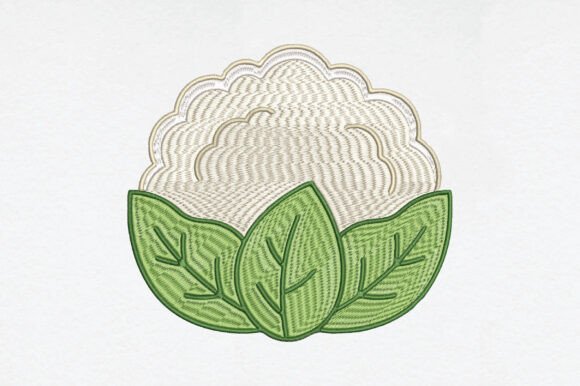
When I first opened the Cauliflower Embroidery file, I expected something simple. What I found was a clean and detailed cauliflower embroidery design that carries a quiet elegance. The stitch work captures the florets with remarkable texture, creating that distinctive cloud-like silhouette that makes cauliflower so visually appealing. It's not just a vegetable outline. This is a design with personality. The curves feel organic, the layering is thoughtful, and the overall composition reads instantly as fresh produce done with care.
From a seasonal standpoint, this design occupies an interesting space. It doesn't scream autumn harvest the way a pumpkin does, yet it fits beautifully into kitchen decor and fall product lines. It carries a rustic farmhouse energy that works for spring gardening themes and winter comfort food vibes alike. The emotional tone lands somewhere between cozy kitchen warmth and modern farmhouse sophistication. I can see this appealing to customers who love clean, botanical-inspired home accents rather than overly cute or cartoonish styles.
The decorative style strikes me as refined but approachable. The detail level is high enough to impress on close inspection, yet the overall shape remains bold enough to read clearly from across a room or on a tote bag carried through a farmers market. For an embroidery design in the House category, this piece feels like it belongs in a thoughtfully curated seasonal collection rather than a generic clip-art lineup.
Seasonal Mood and Buyer Psychology
Here is where things get interesting for sellers planning holiday inventory. Cauliflower might not be the first image that comes to mind for seasonal products, but that is exactly why smart shop owners should pay attention. The Cauliflower Embroidery taps into several buyer motivations simultaneously. First, there is the healthy food themes angle. Customers shopping for wellness-inspired gifts, cooking enthusiasts, or new homeowners with a passion for clean eating will gravitate toward this design immediately. It feels intentional and personal without being preachy.
Second, this design fits the garden-to-table aesthetic that peaks during late summer and early autumn. Think about gardening projects wrapping up, harvest celebrations, and the surge in kitchen-related gift buying as holidays approach. A stitched cauliflower on a linen tea towel becomes a statement piece. On an apron, it communicates a love for cooking that feels genuine. On a tote bag, it turns a practical item into a conversation starter at the grocery store.
The emotional tone here is nostalgic yet modern. It evokes memories of grandmothers preparing vegetables from the garden, but the clean stitch pattern keeps it from feeling dated. For handmade gift buyers, that balance is everything. They want items that feel special and personal without looking like craft fair leftovers from a decade ago. The cauliflower carries enough uniqueness to stand out in a sea of floral patterns and monogrammed everything.
Practical Performance in Holiday Selling Situations
Let me walk through how I see the Cauliflower Embroidery performing across different selling channels and product types during peak seasons.
Gift Bundles and Etsy Listings
For Etsy seller strategies, this design is a bundling dream. Pair it with a matching herb embroidery on a set of kitchen towels. Create a trio with other vegetable designs on aprons for a wholesome gift package. The cauliflower acts as the anchor piece because its texture and visual weight command attention. When photographing finished product sets, the stitched cauliflower provides a focal point that draws the eye and makes the entire collection feel cohesive.
In product listings, use life-style photography that places the embroidered item in warm kitchen settings. A kitchen towel embroidery piece featuring this design draped near a wooden cutting board with fresh cauliflower nearby creates an instant emotional connection. Buyers shopping for personalized gift options will see the value immediately. The design sells not just a product but a feeling of intentional, healthy living.
Craft Fair Displays and Limited Edition Drops
At physical craft fairs, the cauliflower design performs exceptionally well on neutral backgrounds. I recommend stitching it on natural linen tones, soft creams, sage greens, and muted terracotta fabrics. These colors align with current farmhouse trends and photograph beautifully under both natural and booth lighting. Display pillow cover pieces prominently. A cauliflower-embroidered cushion cover in a reading nook or kitchen bench setting creates an aspirational display that shoppers want to recreate at home.
For limited edition seasonal drops, consider releasing the design in autumn-inspired thread palettes. Deep mustard, burnt orange, olive green, and cream thread combinations transform the vegetable into something that feels explicitly seasonal without losing year-round appeal. The embroidery file itself becomes a versatile asset when you test different thread colors strategically.
Social Media Previews and Product Mockups
Visual-first platforms reward texture, and the cauliflower florets deliver exactly that. Close-up shots of the stitch work on tote bag design pieces generate engagement because the texture invites viewers to imagine touching the finished product. Create printable mockup variations showing the design on different items. Even before stitching, a realistic digital preview on a sweatshirt embroidery mockup helps customers visualize the purchase. This is especially important for holiday shoppers buying gifts they will not see in person until after delivery.
Where to Use the Design With Confidence
The Cauliflower Embroidery shines brightest on medium-weight woven fabrics. Here are the product categories where I have seen similar botanical designs perform best.
- Aprons: The design size works well centered on bib fronts or pocket areas. Choose cotton-linen blends for crisp stitch definition.
- Kitchen towels: Flour sack cotton and waffle weave both hold the detail nicely when paired with proper cutaway stabilizer.
- Tote bags: Canvas totes stitched with the cauliflower make excellent market bags and gift wrap alternatives.
- Pillow covers: Linen and cotton pillow covers become instant seasonal decor pieces with this design centered or corner-placed.
- Table linens: Napkin corners and placemat accents benefit from the design's refined, understated presence.
- Embroidered patch projects: Stitch on felt or twill backing for sew-on or iron-on patches that customers can apply to their own items.
For holiday embroidery specifically, the cauliflower design pairs unexpectedly well with winter greenery motifs. Imagine it stitched alongside pine sprigs or holly on a table runner for a fresh take on seasonal decorating that avoids traditional red-and-green clichés. The result feels curated and thoughtful, exactly what discerning holiday shoppers seek.
Where to Exercise Caution
Not every product or fabric suits this level of detail. Here are the situations where I recommend testing carefully before committing to production runs.
- Small hoop sizes: The floral detail requires adequate space. If the hoop size forces the design below approximately four inches, inspect a test stitch for lost detail in the center florets.
- Dark fabric: The cauliflower reads best with contrast. On deep charcoal or black fabrics, consider using lighter thread colors and test visibility of the finer stitch elements.
- Stretchy garments: Knit fabrics for sweatshirts need proper stabilization. The layered stitch sections can shift on stretchy material if hooping is not precise.
- Thick towels: High-pile terry cloth may swallow the finer detail lines. Use a water-soluble topper to keep surface stitches clean and defined.
- Curved caps: The dome shape of baseball caps distorts centered botanical designs. If attempting cap decoration, test placement and consider a smaller version of the design.
- Metallic thread: The delicate florets may lose their organic feel if stitched with stiff metallic threads. Stick to high-quality polyester or rayon for best results.
For items needing repeated washing, always test a sample through multiple laundry cycles. The cauliflower texture relies on consistent stitch density. If any areas loosen after washing, adjust the file settings or add a light backing layer before selling finished pieces to customers.
Designer Notes for Best Results
After years of working with botanical machine embroidery design files, I have developed a checklist that applies perfectly to the Cauliflower Embroidery. Run through these steps before listing any products made with this design.
- Test on both light and dark fabric: The same thread set reads differently depending on the background. Test a cream-on-sage version alongside a brighter palette on white to confirm which sells better for your customer base.
- Check stitch density: Ensure the coverage feels substantial without creating stiffness. The design should remain soft enough for wearable items while holding its shape through use.
- Confirm hoop size before purchasing: Details like exact dimensions and compatible hoop sizes should be verified directly from the digital embroidery file provider before planning product lines. The product listing should specify these numbers.
- Use proper stabilizer for the fabric type: Woven cotton handles differently than linen. Match your stabilizer choice to each project rather than using one approach across all products.
- Create realistic mockups before stitching bulk: Digital previews save time and thread. Use them to test color variations and placement before committing to production.
- Review small details after the first stitch test: Look at the cauliflower florets under good lighting. Confirm that the texture reads as intended and no fine lines have disappeared.
- Plan matching color palettes for seasonal collections: Build a thread color story that works across multiple designs in your shop. Consistency in palette increases perceived value and brand consistency.
- Confirm commercial licensing: Before selling any finished product made with this design, verify the commercial embroidery terms from the file provider. This protects your small shop product line legally.
Seasonal Appeal and Customer Trust
What makes the Cauliflower Embroidery a smart addition to a seasonal collection is its quiet confidence. It does not rely on trendy phrases or dated motifs. It stands on its own as a well-executed botanical piece that appeals to a wide range of customers. The design builds customer trust because it delivers exactly what it promises: a clean, recognizable vegetable rendered with care. When a buyer receives a kitchen towel embroidery piece featuring this design, the quality is immediately evident.
For family matching items during the holidays, this design offers a subtle alternative to overtly festive graphics. A set of aprons for a cooking-loving family, each featuring the cauliflower in a different thread accent color, creates a unified gift that feels personal rather than mass-produced. The giftability factor is high precisely because the design avoids being too specific to one holiday. It works for housewarming presents, Mother's Day, Thanksgiving hostess gifts, and even wedding shower bundles.
The visual recognition of a cauliflower silhouette is strong. Even at a glance, customers know what they are looking at. This instant readability matters on crowded Etsy search pages and in busy craft fair booths. A design that requires explanation is a design that loses sales. The cauliflower communicates immediately and with charm.
Building a Seasonal Collection Around Botanical Designs
If you are expanding your seasonal embroidery offerings, consider building a collection where the Cauliflower Embroidery serves as the anchor. Group it with companion vegetable designs for a full kitchen decor set. Layer in herb designs for a garden-themed bundle. The House category alignment makes sense because these pieces integrate into everyday living spaces rather than being purely decorative objects that gather dust.
The Embroidery type lends itself to products that feel both practical and elevated. Customers browsing for handmade gift items during holiday rushes are drawn to pieces that show skill and thoughtfulness. A stitched cauliflower on a towel or apron radiates exactly that energy. It says the maker cared about quality, and it gives the recipient something they will actually use rather than store away.
For apparel decorators, the design works on the chest area of sweatshirts and the pocket zones of aprons. Size it appropriately for the garment, and always test placement on an actual worn garment before finalizing product photos. A design that looks perfectly centered on a flat lay may appear off when the garment is worn.
Final Thoughts Before Adding to Your Product Line
The Cauliflower Embroidery earns its place in a thoughtful seasonal collection. It brings texture, warmth, and a touch of garden-fresh elegance to whatever surface it graces. For sellers ready to differentiate from the flood of snowflakes and reindeer, this botanical option provides a sophisticated alternative that customers will notice. Test your fabrics, dial in your thread palette, create those lifestyle mockups, and watch how buyers respond to something so refreshingly simple yet beautifully executed.