Classic Horse Embroidery: A Craft Fair Seller's Review
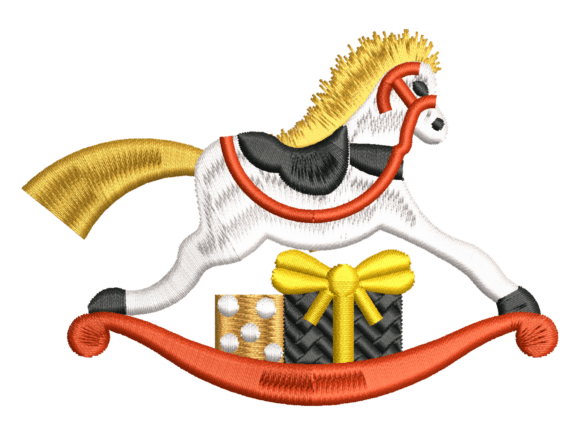
When I first opened the Classic Horse Embroidery file, I immediately pictured a sunlit craft fair booth with fabric textures catching the morning light. This is not a one-trick design. It carries a quiet confidence that can lean rustic on a tea towel, timeless on a canvas tote, and playful on a child's backpack. As someone who stitches and sells week after week at handmade markets, I look at a digital embroidery file through one lens: will this stop a passerby mid-stride? With Classic Horse Embroidery, the answer leans strongly toward yes — if you stitch it thoughtfully.
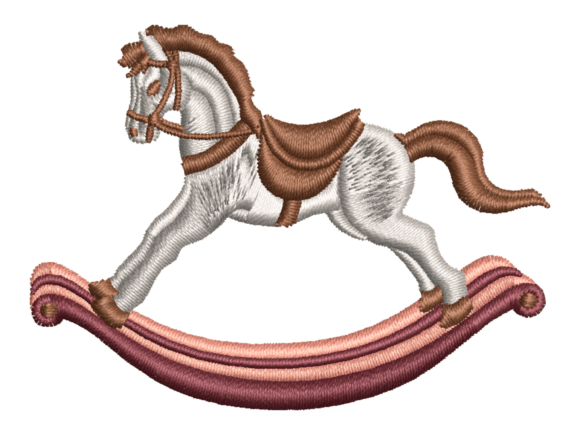
The design falls into a sweet spot between classic farmhouse warmth and gallery-worthy silhouette art. Depending on your thread choices and fabric pairing, it can read as elegant equestrian decor, a gentle nod to country life, or even a nostalgic toy-inspired motif. That versatility is powerful for a craft fair product. One design can live across half a dozen product categories without feeling repetitive. That is exactly the kind of efficiency a small-batch maker needs when booth space is tight and customer attention spans are shorter than a stitching cycle.
First Impression and Design Personality
Before I ever hoop fabric, I study the lines. Classic Horse Embroidery feels balanced and intentional. The composition reads clearly even at a quick glance, which is non-negotiable in a busy market setting. You have about three seconds to catch someone's eye as they walk past a display table. A design that confuses or feels too busy will lose that moment. This horse motif holds its ground without shouting. It sits comfortably in that farmhouse-to-modern crossover that has dominated handmade sales for years and shows no sign of fading.
What I appreciate most is the natural stance of the subject. It does not feel cartoonish or overly juvenile, yet it still works beautifully for children's products — a rare dual appeal. A parent shopping for nursery decor and a boutique owner browsing for equestrian-themed kitchen linens could both gravitate toward the same finished product. That cross-demographic pull is what turns a single embroidery file into a revenue workhorse across multiple selling channels.
Product Applications That Make Sense
I mentally walk through my standard craft fair lineup every time I test a new design. Here is where Classic Horse Embroidery fits and where it truly shines.
Tote Bags and Market Bags
A sturdy canvas tote carrying a well-placed horse design stops people. Positioned centered and slightly above the midline, it creates an anchor point that draws the eye upward. The tote bag design potential here is excellent because the motif scales nicely without losing readability. Canvas holds stitch definition well, provided you use a sharp needle and the right stabilizer. I recommend a medium-weight cutaway for bags that will see actual use — and at a craft fair, functional items sell faster than purely decorative ones.
Apron Embroidery
Kitchen and garden aprons are a staple at any handmade market. Apron embroidery with this horse adds personality without overpowering the garment. A left-chest placement on a linen cross-back apron gives it boutique-level charm. The design's natural flow works vertically as well, so a bib apron placement feels intentional rather than squeezed in. Fabric choice matters: avoid heavily textured weaves that fight small details. A smooth cotton-linen blend delivers stunning results.
Tea Towel Embroidery
If you sell kitchen textiles, tea towel embroidery with Classic Horse Embroidery deserves a prime spot in your booth. Flour sack towels take thread beautifully and the natural off-white fabric creates high contrast that makes the design pop from across the aisle. I stitch these in batches of twelve before every market and they rarely make it past noon. Pair a horse-adorned towel with a wooden spoon or a small jar of local honey tied with twine and you have a gift bundle that sells itself.
Caps and Headwear
Curved surfaces demand caution. A horse design with elongated proportions can distort on a structured cap if not positioned correctly. I stitch caps only after testing on a flat surface first to understand the stitch density and pull. On unstructured dad hats or soft baseball caps, the design settles more naturally. Consider scaling down slightly for cap applications and always use a cap-specific hoop size and backing. The reward is a unique equestrian-style cap that stands apart from the sea of logo-heavy headwear at most markets.
Embroidered Patches and Small Pouches
An embroidered patch version of this design, stitched on felt or twill and finished with a merrowed edge, turns into a high-margin impulse buy. I pin patches to a corkboard display and let customers sift through them — the tactile experience increases sales measurably. Small zipper pouches with a scaled-down horse motif also perform well, especially when positioned near the checkout area as an add-on item. The compact size keeps stitch time low and profit margin healthy.
Pillow Covers and Home Decor
A linen pillow cover with Classic Horse Embroidery centered on the front panel transforms a simple home accessory into a statement piece. At craft fairs, home decor shoppers tend to linger longer and spend more per transaction. A farmhouse-style pillow displayed on a small chair or nestled in a wooden crate draws them into the booth. The design's natural elegance supports a higher price point here than on smaller impulse items.
Stitch Quality and Production Considerations
No machine embroidery design is perfect straight out of the download folder. I always test on scrap fabric identical to my production material. With Classic Horse Embroidery, my primary watch points are stitch density in areas where curves tighten — think the mane, tail flow, and leg joints. Overly dense sections on lighter fabric can cause puckering, while under-dense areas on dark fabric lose definition. Thread tension needs to be dialed in before committing to a full run.
Thread color selection changes everything. A monochrome navy on natural linen creates a crisp, coastal-farmhouse vibe. Warm brown tones on cream evoke rustic equestrian warmth. Metallic gold or copper on dark fabric can push this into boutique holiday decor territory. I keep a stitch-out notebook with thread brands, color numbers, and fabric swatches so I can replicate winning combinations market after market. This simple habit saves hours of trial and error when production ramps up before a busy fair weekend.
Fabric and Stabilizer Pairings
On tightly woven cotton, a medium cutaway stabilizer delivers clean results with minimal show-through. For textured towels, add a water-soluble topper to prevent stitches from sinking into the pile. On stretchy fabrics like knit pouches or garment-weight materials, a no-show mesh stabilizer combined with temporary adhesive spray prevents shifting during the stitch run. Test, test, test — I cannot stress this enough. A design that stitches perfectly on flat quilting cotton may misbehave on a textured tea towel or a curved cap panel.
Small Details and Scaling
Fine details — the eye, subtle ear contours, delicate mane lines — demand attention when scaling down. What looks crisp at four inches wide may blur at two inches. For small applications like patches or zipper pulls, I reduce slowly and run a full test stitch before adding to my product lineup. If the design includes any small lettering or thin strokes, those areas become the first to fail at reduced sizes. I did not observe lettering in this design, which is actually a relief — text-free designs translate across markets and languages without limitation.
Booth Display and Customer Engagement
A craft fair booth is a visual story. Classic Horse Embroidery gives you a cohesive thread to weave through multiple product types. Imagine a display where a large framed hoop art of the horse sits on an easel, flanked by tote bags hanging on hooks, folded tea towels stacked in a vintage crate, and pillows propped on a wooden bench. Customers see the design repeated in different contexts and their brain registers quality, intention, and brand consistency. Brand consistency builds trust, and trust leads to sales.
I also think about how customers interact with product photographs when they later visit my Etsy seller shop or social media pages. A booth display that photographs well becomes marketing content for months. Natural light, neutral backgrounds, and one hero product anchoring each shot let the embroidery speak clearly. The horse design's clean silhouette photographs beautifully in flat lays and styled vignettes alike.
Photography and Etsy Listing Strength
For online sellers, the transition from digital embroidery file to a compelling product listing hinges on visuals. Classic Horse Embroidery shines in close-up detail shots where the thread texture reads clearly. I recommend shooting at a slight angle rather than straight-on to catch the dimensional quality of the stitches. Include a printable mockup or a lifestyle shot — a tote bag hanging on a rustic hook, a towel draped over a farmhouse sink, a pillow resting on a neutral sofa. These images answer the unspoken buyer question: what will this look like in my life?
Since the product is a digital embroidery file delivered in ZIP or RAR format, your listing must communicate that clearly. The description states: Digital embroidery files are delivered in ZIP or RAR format. This is a digital product, no physical item will be shipped. Instant download after purchase. No returns or refunds for digital products. As a seller creating finished goods from this file, you need to confirm that commercial embroidery rights are included before selling physical products at a market or in your online shop. Always review the license terms provided with your download. Do not assume — verify.
Practical Designer Checklist Before Production
I keep a structured checklist for every new design I plan to turn into handmade product inventory. Here is what I run through with Classic Horse Embroidery before committing to a full production batch.
- Test on scrap fabric first — identical weight and weave to your final product material
- Check thread contrast against at least three fabric colors, including one dark option
- Review spacing and alignment — center the design in your hoop and mark registration points
- Confirm hoop size compatibility before loading the file into your machine
- Inspect stitch density — look for puckering, gaps, or overly dense areas that stress the fabric
- Use the right stabilizer for each fabric type, and do not skip the topper on textured towels
- Create at least one real mockup — a finished product photographed in natural light
- Compare fabric colors — what looks stunning on oatmeal linen may feel flat on bright white
- Confirm commercial licensing before listing finished products for sale
This checklist catches issues early and prevents wasted materials. More importantly, it ensures every finished product that lands on your craft fair table meets a standard your customers will trust and recommend.
Who Should Stitch This Design
Classic Horse Embroidery suits embroidery business owners who serve farmhouse decor enthusiasts, equestrian lifestyle shoppers, rustic wedding markets, children's boutique buyers, and gift-focused customers. If you sell at agricultural fairs, horse shows, ranch events, or country markets, this design becomes a core inventory piece. Etsy sellers in the nursery decor and personalized gift niches will find strong seasonal demand, especially around holidays when horse-themed gifts spike.
Small shop product makers focused on high-quality home textiles and accessories benefit from the design's repeatability. Once you dial in the stitch settings, you can batch-produce reliably — and batch production is how handmade businesses scale profitably without burning out. The concord between the Toys category classification and the Embroidery type makes sense when you consider the crossover into children's products. A stuffed toy embellishment, a nursery wall hanging, or a personalized plush accessory all extend the design's reach into the juvenile market without losing the classic appeal that adult buyers respond to.
Final Booth-Ready Verdict
After testing, evaluating, and mentally slotting Classic Horse Embroidery into my product lineup, I see a design asset that pulls its weight. It stitches cleanly on the right fabric with proper stabilization, photographs well for online listings, and connects with a broad customer base that spans home decor, wearable accessories, and gift markets. No design sells itself — execution makes the margin — but this one gives you a strong canvas to work from.
If you are building inventory for an upcoming craft fair, expanding your apron embroidery collection, refreshing your tea towel embroidery selection, or sourcing a reliable tote bag design that appeals across age groups, Classic Horse Embroidery earns its place in your digital library. Run your tests, shoot your mockups, price confidently, and watch how customers respond when a beautifully stitched horse catches their eye from across the aisle. In a market full of trends that come and go, a classic design executed well never stops selling.