Reviewing the Cute Turkey Embroidery Design
When our boutique brand decided to drop a limited Thanksgiving sweatshirt collection this season, I knew we needed a focal piece that balanced playful charm with production quality. The Cute Turkey Embroidery Design caught my eye immediately. I have been an embroidery designer for over a decade, and I evaluate every machine embroidery design through a practical lens before it ever touches a garment. My job is to picture how a digital embroidery file translates into a tactile, stitched product that someone will wear, photograph, and hopefully treasure for years.
First Impression: The Mood and Layout
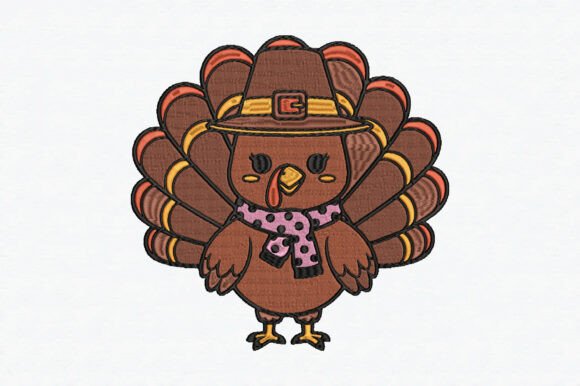
Opening the Cute Turkey Embroidery Design, my first reaction was that it felt genuinely charming without tipping into childish territory. The turkey is the clear star, dressed in a tiny pilgrim hat with a stylish bow accent. The description paints a cozy fall picture, and the design delivers that seasonal warmth in a way that suits both casual loungewear and more polished boutique apparel. The composition feels balanced, with the whimsical details concentrated on the turkey character while the bow adds a subtle, almost fashion-forward touch.
What I appreciate as a designer is how the layout reads clearly even at a glance. The pilgrim hat gives structure at the top, the turkey body creates a solid central mass, and the bow grounds the lower portion. This visual hierarchy matters enormously when planning sweatshirt embroidery because the design needs to register quickly in lifestyle product photography. If a customer scrolls an Etsy listing, that split-second recognition determines whether they click or keep scrolling. The Cute Turkey Embroidery Design has that instant readability.
Evaluating Stitching Personality and Detail Level
Detail level can make or break a hoodie design. Too many tiny elements packed into a small embroidery area create a muddy, dense patch that stiffens the fabric. Too few details leave the design feeling flat and generic. The Cute Turkey Embroidery Design strikes a smart middle ground. The turkey features enough feather definition to feel textured, but the shapes look intentionally simplified for thread rendering. The pilgrim hat introduces a second motif that adds seasonal context without overcrowding. The bow brings a final flourish that would likely stitch out with a slight dimensional lift, which I always love seeing on a finished garment.
From my experience, characters with facial features can be risky in machine embroidery design because poor digitizing turns eyes into distorted blobs. I would recommend any Etsy seller or small shop product owner test stitch this design on a similar fabric weight before committing to a full production run. Pay close attention to how the facial details render at your chosen size. A well-digitized turkey face should remain expressive and clean, contributing to that handmade product vibe that boutique customers expect.
Placement Strategies for Sweatshirts and Hoodies
Placement is where a good design becomes a marketable product. For our boutique release, I test how the Cute Turkey Embroidery Design behaves across multiple positions. The classic left chest placement on a crewneck sweatshirt works beautifully for this design. At around three to four inches wide, it makes a sweet statement without overwhelming the garment. On an oversized hoodie, I actually prefer scaling it up slightly and centering it squarely on the chest for a bold, graphic look that feels modern and cozy.
Sleeve accents are another option worth exploring. A smaller version of the design stitched on the upper sleeve of a neutral hoodie adds an unexpected detail that customers notice immediately in flat lay photography. For the back of a sweatshirt, the design could be enlarged to become a true centerpiece. I have seen similar seasonal motifs perform exceptionally well as large back embroidery on pastel-toned pullovers. The key is matching the hoop size to your largest intended placement and verifying that the stitch file scales cleanly without distorting.
Dark fabric presents a wonderful canvas for this design. The warm browns, harvest oranges, and possible cream accents in the turkey and hat would pop dramatically against deep charcoal, forest green, or rich navy sweatshirt blanks. On pastel colors like blush pink, soft lavender, or heather oatmeal, the design takes on a gentler, more feminine energy that broadens its appeal beyond strictly rustic decor. The versatility across fabric colors makes the Cute Turkey Embroidery Design a strong candidate for multi-colorway boutique drops.
Thread Colors, Contrast, and Stitch Density
Thread color selection is where a professional embroidery file evaluation gets serious. The description does not specify exact thread colors, so I always recommend doing a mockup preview or test stitch to see how the digitized palette behaves. A turkey design naturally leans into warm browns, rust tones, and possibly a pop of red or orange for the wattle. The pilgrim hat likely introduces black or deep charcoal with a metallic or gold buckle detail. The bow could bring in a contrasting accent color that ties the whole piece together.
Contrast between the design and the garment fabric matters enormously for custom apparel visibility. On medium to dark sweatshirts, the lighter elements within the turkey will read clearly. On very light pastels, the darker outlines and shaded areas will define the shapes. I would exercise some caution on heavily heathered fabrics where the busy texture can visually compete with embroidered details. A crisp, stable fabric surface always shows stitch density to its best advantage.
Speaking of stitch density, this is a practical concern I never ignore. A design with overly dense fill stitches can turn a soft fleece sweatshirt into a stiff, uncomfortable board against the wearer's chest. Conversely, too little density leaves gaps where the fabric peeks through, weakening the professional impression. The Cute Turkey Embroidery Design appears to balance coverage with flexibility, but I would strongly suggest testing on the exact fabric texture you intend to use. French terry, loopback cotton, and brushed fleece each interact differently with commercial embroidery thread tension.
Stabilizer Choice and Fabric Considerations
No design review would be complete without addressing stabilizer. For sweatshirt fleece, I default to a cutaway stabilizer behind every embroidery area. The stretch and loft of sweatshirt fabric demand a stable foundation that prevents distortion during hooping and washing. A tearaway stabilizer can work for lighter, more tightly woven garments, but for the cozy, thicker blanks that boutique brands love, cutaway is non-negotiable. The Cute Turkey Embroidery Design, with its mix of filled areas and likely satin stitch outlines, will benefit from that solid backing layer.
Hoop placement on oversized hoodies can be tricky due to the bulk of the garment. I often hoop the stabilizer alone and use temporary adhesive spray to position the sweatshirt panel on top, floating the rest of the garment away from the machine arm. This technique preserves embroidery quality and prevents the heavy fabric from dragging during stitching. For small shops moving into sweatshirt embroidery for the first time, practicing this method with a few test pieces will save significant frustration.
Washing Durability and Long-Term Quality
One of my biggest concerns as a boutique brand collaborator is how a design holds up after repeated washing. Customers expect their handmade product investment to last. Polyester embroidery thread typically withstands laundering well, but the structural integrity of the design depends heavily on the digitizing foundation. A properly digitized machine embroidery design will have underlay stitches that lock the top threads in place, preventing shifting, puckering, or thread breaks over time.
I recommend washing test garments at least five times before including the Cute Turkey Embroidery Design in a commercial release. Check for any thread fraying, color bleeding, or fabric pilling around the stitched area. A design that looks pristine after multiple wash cycles builds buyer trust and earns repeat customers. This pre-testing step is something I emphasize to every Etsy seller and small shop owner I mentor. The difference between a five-star review and a return often comes down to how the finished product endures real-world use.
Adding Value Through Brand Identity
A well-chosen embroidery design does more than decorate a garment. It shapes brand identity. The Cute Turkey Embroidery Design communicates seasonal awareness, playful sophistication, and attention to detail. When I imagine it on our boutique's signature oversized hoodies, I see a product that invites customer engagement through social media shares, gift purchases, and cozy styling inspiration. That kind of visual recognition is gold for a small brand competing in a crowded marketplace.
Pairing the design with thoughtful product photography elevates the perceived value even further. A printable mockup that accurately represents the embroidery finish helps customers visualize the piece before buying. While a digital mockup preview is useful, I always supplement with real stitched samples in my Etsy listings. Close-up shots of the thread texture, the bow detail, and how the design sits on the fabric create trust that a flat digital embroidery file preview simply cannot match.
For shops selling both physical products and design assets, the Cute Turkey Embroidery Design can serve double duty. The stitched sweatshirt becomes the hero product, while the embroidery file itself appeals to fellow makers who want to create their own seasonal merchandise. This dual revenue approach has become increasingly popular among creative entrepreneurs who understand that machine embroidery enthusiasts are always hunting for quality, well-digitized files to expand their catalogs.
Practical Reminders Before Production
Before any shop commits to a full production run using the Cute Turkey Embroidery Design, there are a few specifics to verify. The product description I reviewed did not include exact stitch count, specific hoop dimensions, or file format options. These details matter deeply for production planning. Stitch count affects production time per garment. Hoop size dictates which machines can run the design without rehooping. File format compatibility ensures the design works with your specific embroidery machine brand.
I strongly advise reaching out to the design seller to confirm these technical specifications. If you plan to offer the design across multiple garment sizes, ask whether resizing is supported within the file or if separate size versions exist. A design that stitches cleanly at four inches wide may lose legibility when reduced to two inches for a baby onesie or youth tee. Testing at your intended sizes is the only way to guarantee consistent quality across your product line.
Final Design Impressions
After thoroughly evaluating the Cute Turkey Embroidery Design from a production and brand perspective, I feel confident it has a place in a thoughtfully curated fall sweatshirt collection. The design brings seasonal charm without sacrificing wearability. It reads equally well as a subtle chest accent or a bold back graphic. The pilgrim hat and bow details add personality that photographs beautifully, which is essential for online handmade product sales. For a boutique brand seeking to offer something festive yet refined, this design checks many of the right boxes.
As with any embroidery file, the magic lies in the execution. Test thoroughly, choose your fabric blanks wisely, invest in quality thread, and let the stitching do the talking. Your customers are looking for garments that feel special, and a well-executed turkey design on a soft sweatshirt delivers exactly that cozy, festive, and premium experience.