Lucky Feels Embroidery Design: A Designer's Take
I pulled up the Lucky Feels Embroidery Design file this morning while planning a batch of St Patrick S Day boutique totes for a local pop-up market. My customer wanted something that felt festive without screaming holiday kitsch. She asked for a design her buyers could carry well into spring, not just on March 17th. That is exactly the kind of challenge that makes me reach for script-based embroidery designs with decorative accents rather than full cartoon vignettes.
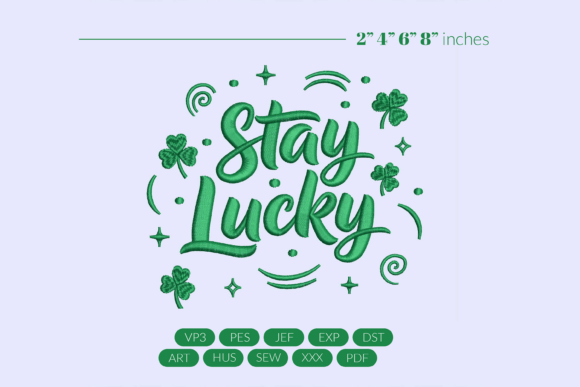
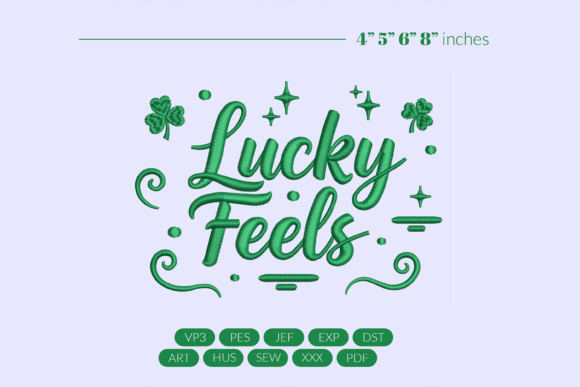
What I saw in the preview gave me that quiet confidence you get when a design actually understands restraint. The lettering carries the main visual weight, and the swirls and clover touches sit alongside it like thoughtful accessories rather than afterthoughts. This is not a design trying too hard. It feels like something a customer would pick up, smile at, and buy without overthinking. That matters when you are stocking a table at a craft fair or filling an Etsy shop with seasonal machine embroidery design offerings that need to move fast.
First Impression: Elegance That Knows When to Pull Back
The script styling in Lucky Feels Embroidery Design reads as polished without being formal. That is a harder balance to strike than most people realize. Too many script embroidery file options lean into swooping flourishes that stitch out messy on textured fabric or lose legibility at smaller sizes. This one keeps the letterforms clean and lets the decorative swirls frame the word rather than compete with it. The clover accents are small enough to feel tasteful but distinct enough to anchor the St Patrick S Day theme without turning the whole thing into a novelty piece.
I immediately imagined it stitched in a deep emerald green on a natural canvas tote. Then I pictured it in metallic gold thread on a forest green sweatshirt. Then a soft cream thread on a muted sage apron. Each mental mockup worked. That versatility is not accidental. It comes from a design built around a strong central wordmark rather than a scene that locks you into one visual story. If you sell custom apparel or handmade product lines across different items, you know how much that flexibility matters.
How It Feels in a Real Project Setting
Last week I prepared a test run on a medium-weight cotton canvas tote. The kind of blank you can buy in bulk, stitch a tote bag design onto, and sell for a solid margin at a weekend market. I hooped the fabric with a medium cutaway stabilizer, threaded a 40-weight polyester in a rich kelly green, and let the machine do its work.
The satin stitch sections on the lettering laid down smoothly. No pulling, no puckering around the edges of the script. The swirl details used what appeared to be a clean running stitch path that kept the curves sharp without excessive density. The clover accents incorporated a bit of fill stitch that added just enough texture to make them stand out from the lettering without creating bulky areas that would irritate skin on a wearable garment.
After the first run, I flipped the tote inside out and checked the back. The stitch coverage was even. No dense knots or thread nests hiding anywhere. That told me the stitch density was mapped thoughtfully, something I always look for before committing a design to a full production batch. When you are stitching twenty totes for a wholesale order, you cannot afford to stop and troubleshoot every third hoop.
Where This Design Shines Brightest
After testing it across several blanks, here is where I would confidently place Lucky Feels Embroidery Design for best results on finished products:
- Sweatshirt embroidery on crewnecks and pullovers, centered on the chest or slightly oversized on the back
- Tote bag design placement on natural canvas, duck cloth, or waxed cotton totes
- Apron corner embroidery for boutique kitchen linens or hostess gifts
- Pillow cover accents on linen or cotton blend throw pillows for seasonal home decor
- Kitchen towel embellishments for holiday gift bundles and hostess sets
- Personalized gift items like zipper pouches, makeup bags, or journal covers with a lucky charm vibe
- Embroidered patch production by stitching on felt or twill and finishing with a merrowed edge
The design also holds up well as a digital embroidery file for sellers who create printable mockup previews. The clean lines photograph well, especially when you use thread with a subtle sheen that catches light. I snapped a few flat-lay photos of the finished tote for my shop listing and did not need to over-edit. The stitching spoke for itself.
What Customers Notice About the Finished Look
Buyers might not know the difference between a satin stitch and a running stitch, but they absolutely notice when a design looks crisp versus sloppy. When I showed the test tote to three regular customers for feedback, two of them used the word "classy" without prompting. The third asked if I could put it on a baby blanket for her niece born on St Patrick S Day. That is the kind of organic reaction you want from a seasonal holiday embroidery design. People see it and immediately attach it to a memory, a person, a gift idea.
From a small shop product perspective, designs that spark that reaction earn their place in your lineup. They do not just sit in your digital folder waiting for a custom request. They become the item you pre-make because you know it will sell.
The Tricky Spots No Review Should Skip
No design is flawless across every possible surface, and Lucky Feels Embroidery Design has a few places where you need to use your head rather than just your hoop. The script lettering, while elegant, contains some delicate curves that could close up or lose definition on stretchy fabric like performance tees or thin jersey. If you are stitching on a lightweight t-shirt, use a fusible mesh stabilizer and consider adding a water-soluble topper to keep those fine letter details from sinking into the knit.
Dark fabric presents another consideration. The clover accents are small, and if you are stitching with a thread color too close in value to a dark background, those little details can visually disappear. I tested the design on black canvas with a medium green thread and found that I needed to go one shade lighter than I expected to maintain contrast. Test your thread colors against your actual blank before committing to a production run. Your screen lies. Your test stitch does not.
On curved surfaces like caps, the horizontal spread of the script lettering might need to be adjusted or re-centered depending on your hoop setup and cap frame. The design was clearly built with flat goods in mind, and forcing it onto a sharply curved cap crown without testing could distort the letter spacing. If caps are a big part of your product mix, run a sample on an unstructured dad cap first. See how it lands. Adjust your placement accordingly.
For baby embroidery and baby clothes, pay close attention to the backing. Those tiny bodies move constantly, and anything stitched onto a onesie or baby bib needs soft backing and no exposed scratchy stitches. The decorative swirls here are smooth enough that they should not cause irritation, but I would still back the design with a soft tear-away or a lightweight mesh rather than a heavy cutaway that adds stiffness.
Designer Notes for Commercial and Client Work
If you are a craft business owner or an Etsy seller considering this embroidery file for your next product drop, here are a few practical notes from someone who has learned the hard way by skipping steps:
- Always test on scrap fabric first. Even the best digitized designs can behave differently depending on your machine tension, thread brand, and stabilizer combination. One test stitch saves ten ruined blanks.
- Check stitch density before running bulk orders. If your test piece feels stiff or shows puckering, you might need to adjust density settings in your machine software or swap to a lighter stabilizer.
- Confirm your hoop size. Do not assume the design fits your standard hoop. Measure the design dimensions against your available hoops before you start. Nothing stalls a project faster than realizing mid-hoop that you needed the next size up.
- Inspect small clover details closely. Zoom in on your machine preview screen and watch how the needle travels through those tiny accent shapes. If anything looks like it might snag or overlap awkwardly, flag it before stitching.
- Test the design in black and white on screen. Strip out the color and look at the shape alone. If the silhouette still reads well, you know the design will hold up even on textured or muted fabric texture backgrounds.
- Compare light and dark fabric results. A design that sings on cream canvas might whisper on navy denim. Check both before listing color options in your shop.
- Use the right stabilizer for your fabric type. Wovens, knits, fleece, and canvas all want different backing approaches. Match your stabilizer to your blank, not to your habit.
- Confirm licensing before selling finished products or redistributing the digital file. Every digitizer sets their own terms. Some allow finished commercial embroidery sales but prohibit file sharing. Others restrict both. Know what you bought and respect the creator's terms. This protects your brand consistency and keeps your business above board.
How It Fits Into a Broader Product Line
I see Lucky Feels Embroidery Design working best as part of a seasonal capsule rather than a standalone offering. Pair it with a coordinating mini clover motif for a shirt cuff accent. Offer it alongside a matching script design for a different word, maybe a family name or another lucky phrase, so customers can mix and match. Boutique shoppers love a cohesive collection. It raises buyer engagement and builds customer trust because your shop feels curated rather than random.
For digital product sellers and creative entrepreneurs, this design also works well in design assets bundles. Package it with other script-based holiday designs and sell it as a seasonal digital embroidery file collection. The clean lettering style makes it easy to showcase in printable mockup previews without losing detail at thumbnail size, which matters a lot when customers are scrolling through dozens of listings.
The Professionalism Factor Nobody Talks About
Here is something I think about every time I choose a new embroidery design for client work: does the finished product look like something a person would be proud to give as a personalized gift? Not just buy for themselves, but wrap up and hand to someone they love. That is the bar. A design that clears that bar earns repeat purchases. Someone buys the tote for themselves, their friend sees it, and suddenly you have a custom order for three more in different colors.
Lucky Feels Embroidery Design clears that bar neatly. The script has professionalism. The swirls have personality. The clovers have recognition without gimmick. Together they create a finished product that feels intentional and giftable. That combination is what moves a design from your test hoop into your permanent product rotation.
Final Practical Thoughts Before You Stitch
If you are a maker who does craft fair products, this design will serve you well on tote bags, tea towels, and pillow covers. If you are a small business owner selling boutique branding merchandise, it works on sweatshirts, aprons, and zipper pouches. If you are a hobbyist looking for a tasteful St Patrick S Day project that does not scream shamrock overload, this is a solid pick. If you sell digital embroidery file bundles, this script-based design pairs well with other elegant seasonal offerings.
Run your test stitch. Check your thread contrast. Confirm your stabilizer. Respect the license. Then let the design do what good designs do: make your work look more polished than it felt while you were hooping and re-hooping at midnight with a deadline looming. The product value comes through in the final stitch, and that is what keeps customers coming back.
I have stitched hundreds of designs over the years for Embroidery projects ranging from nursery decor to wedding gifts to blankets. The ones I remember are not always the most elaborate. They are the ones that stitched clean, sold consistently, and made my customers feel like they picked the right shop. Lucky Feels Embroidery Design earns a spot on that list.