Purple African Embroidery: A Designer's Real-Use Review
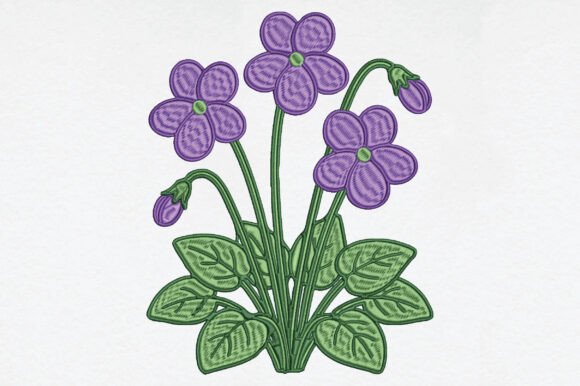
When I first opened the Purple African Embroidery file, I immediately felt its rhythm. This is not a quiet, shy floral. It carries a bold, patterned energy that draws the eye straight into its center. The design leans into rich purple tones and structured shapes that echo traditional African textile motifs, yet it stays versatile enough for modern handmade products. My first thought was how naturally it would sit on a neutral linen tote or a soft cream sweatshirt. There is confidence here, and that matters when you are building a product line that needs to stand out at a craft fair or in an Etsy listing thumbnail.
As someone who has tested hundreds of machine embroidery design files across different fabric types and hoop sizes, I have learned to look past the digital preview. The real question is always the same: what does this design feel like after stitching, and will a customer reach for it? With Purple African Embroidery, the answer leans strongly toward yes, provided you match it with the right project and treat its details with care.
First Impressions and Visual Personality
The mood of this design is grounded and celebratory at the same time. The purple palette gives it a regal warmth, and the pattern-like structure makes it feel more like wearable art than a simple decorative motif. It belongs to the Single Flowers category, but that label does not fully capture what is happening here. The floral shape is present, yet it is wrapped in geometric layers and rhythmic linework that bring to mind hand-carved stamps, woven kente strips, or painted mudcloth patterns. This is not a design that blends in. It anchors whatever surface you place it on.
I could see this on a tote bag design for a boutique that sells ethically inspired accessories. I could see it on a denim jacket back panel, stitched in matching purple thread on dark indigo for a tone-on-tone effect. I could also picture it as a framed hoop art piece in a nursery, where its bold shapes introduce visual texture without feeling overly juvenile. The design has range, but it asks for thoughtful placement.
Where Purple African Embroidery Shines Brightest
After studying the stitch preview and running a mental checklist of past client requests, several product categories feel like a natural fit here. Custom apparel is the most obvious starting point. A sweatshirt with this design centered on the chest would read as intentional and art-forward. On a canvas apron, it would elevate a simple kitchen staple into something boutique-worthy. Pillow covers, tea towels, and structured tote bags all offer the flat, stable surface this design deserves.
I also want to highlight the personalized gift potential. A plush bathrobe or a zip-up hoodie with Purple African Embroidery stitched near the collar or on a pocket corner could become a signature gift item for bridal parties, Mother's Day, or holiday collections. The design feels personal without being overly sentimental, which is a hard balance to strike. It says something about the giver's taste without shouting a message.
For Etsy sellers and small shop product owners, this design offers strong visual impact in listing photos. Because the pattern reads clearly even at thumbnail size, it helps with click-through rates in a crowded marketplace. I have seen many shop owners struggle with delicate designs that disappear in search results. Purple African Embroidery does not have that problem. Its boldness is a marketing asset.
Thinking Through a Real Project Scenario
Let me walk you through a real scenario I played out in my head while evaluating this file. I imagined a client who runs a small lifestyle brand asking for a limited-edition tote bag to celebrate a cultural heritage collection. She wants something that feels rooted, artistic, and premium. I pulled up the Purple African Embroidery preview and immediately knew it could be the hero piece.
I would test this design on a medium-weight cotton canvas in natural off-white. The purple thread would contrast beautifully against the warm beige, and the pattern density would hold up well on a sturdy woven surface. I would use a medium-weight cutaway stabilizer to support the satin stitch sections and prevent puckering over repeated use. For thread, I would stay close to the purple family but might introduce a subtle tonal shift in the bobbin to soften the back side against the lining.
The finished tote would photograph beautifully for a printable mockup or an Instagram product reveal. I can already see customers pausing on that image, then clicking through to read the story behind the design. That is exactly the kind of buyer engagement a small brand needs to build trust and repeat sales.
Where Caution Is Necessary
Every embroidery design has its sensitive spots, and Purple African Embroidery is no exception. The patterned interior contains areas where stitch density could accumulate. On thin or stretchy fabrics, such as lightweight jersey or ribbed knit, those dense sections may cause tunneling or distortion. I would avoid placing this design on highly elastic garments unless you are confident in your hooping technique and willing to use a heavy-weight stabilizer with temporary adhesive spray.
Dark fabrics also require extra thought. Since the design is built around purple tones, stitching it on black or deep navy may cause the richness to flatten out unless you adjust thread colors carefully. I recommend doing a test stitch on both light and dark backgrounds before committing to a full production run. The difference can be surprising, and your customers will notice the contrast clarity in the final product.
Small hoop sizes are another point of caution. If the design includes fine interior linework or tightly spaced geometric elements, scaling it down too aggressively can turn crisp running stitches into muddled shapes. I would keep this design at or above a four-inch width for best results, though your specific file dimensions will dictate the true minimum. Always check the hoop size requirements before loading it onto your machine.
Curved surfaces like caps and hat fronts can be tricky as well. The bold, structured layout of Purple African Embroidery may not conform smoothly to a sharply curved crown without some puckering at the edges. If you are determined to use it on headwear, consider centering it on a five-panel cap with a flatter front profile and running a slow stitch speed with precise placement.
Stitch Quality and Production Realities
From a stitching standpoint, the design appears to balance satin stitch borders with fill stitch interiors and running stitch detailing. This mix is common in well-constructed embroidery file setups because it gives the design texture variation without overloading any single area. The clean stitch definition mentioned in the product notes suggests the digitizer paid attention to pathing and pull compensation, which is a promising sign for real project use.
That said, I always advise fellow designers to test any new digital embroidery file on scrap fabric first. Run it once at full speed on your primary machine, then inspect the back side for thread nests, trims, or excessive jumps. Check whether the design sews efficiently or spends too long traveling between isolated elements. Long jump stitches waste time and thread, and they can snag during washing if not trimmed carefully.
Thread colors are another variable worth testing. The purple palette gives you room to play, but you might find that switching one shade to a slightly warmer or cooler tone completely changes the mood of the finished piece. Keep a color journal of your tests. It becomes an invaluable reference when a customer asks for a custom variation.
Commercial Use and Small Business Considerations
Before stitching Purple African Embroidery onto products for sale, you need to verify the licensing terms that come with the file. Many digital embroidery file purchases include a standard license for personal use and limited commercial use on finished physical items, but not all do. If you plan to sell embroidered patch versions, apply the design to garment blanks for a branded collection, or include it in a craft business catalog, make sure your license covers those scenarios.
This is not legal advice, just practical experience. I have seen too many talented makers get caught off guard by licensing restrictions they did not read. If the product description does not clearly state what is allowed, reach out to the seller before investing in bulk materials. A few minutes of clarification can save your small shop product line from complications later.
For those of you selling design assets or creating printable mockup previews using this design, double-check whether digital redistribution in any form is permitted. Most designers prohibit reselling the file itself, but mockup usage for product photography sometimes falls into a gray area. Again, ask if you are unsure.
Giftability and Customer Appeal
When I evaluate a design for handmade product potential, I always ask whether a customer would gift it with pride. Purple African Embroidery passes that test easily. It feels like a thoughtful choice rather than a generic one. A set of embroidered napkins featuring this design in a rich plum thread would make a stunning housewarming gift. A single tea towel with the design stitched in one corner could anchor a kitchen gift basket. Even a simple baby onesie with a small, carefully placed version of this motif would stand out at a baby shower.
The design does not rely on words or trendy phrases to communicate its value. That gives it staying power. Trends fade, but a well-composed pattern rooted in cultural artistry tends to hold its own across seasons and shifting buyer preferences.
Final Practical Notes for Embroidery Designers
Before you load Purple African Embroidery onto your machine, here is a quick checklist drawn from my own pre-stitch routine:
- Test on a fabric swatch that matches your final product weight and weave.
- Check stitch density in the central patterned areas and watch for puckering.
- Review thread color contrast on both light and dark backgrounds.
- Confirm your hoop size can accommodate the design without crowding the edges.
- Use an appropriate stabilizer for your fabric type, cutaway for knits, tear-away for wovens with caution, and consider a topper on textured or napped surfaces.
- Inspect small inner details after stitching to confirm they remain legible.
- Test the design in black and white to see how contrast holds up for customers browsing without perfect screen calibration.
- Verify licensing before using this design on commercial embroidery products or selling finished items.
Purple African Embroidery brings a distinct visual signature to the table. It carries the weight of patterned tradition while remaining adaptable for today's handmade market. If you approach it with a considered fabric choice, respect its density, and place it on products that complement its bold character, it can become a standout piece in your embroidery collection. That kind of design is worth keeping close, whether you are stitching for yourself, for a client, or for a growing craft business that depends on designs customers remember the moment they see them.