Is Pearl Seashell Embroidery Design Right for Your Brand?
First Impressions: Elegance Meets Coastal Charm
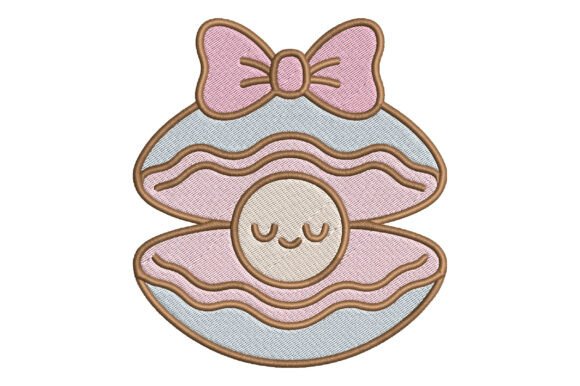
As an embroidery designer who works daily with small businesses, I know the moment a design feels right for commercial use. When I first opened Pearl Seashell Embroidery Design, I immediately saw a motif that walks the line between sophisticated branding and approachable handmade warmth. The name alone promises a blend of organic curves, a lustrous pearl focal point, and the kind of detail that signals care. It feels more premium than playful, more artisan than mass-produced. The description, though brief, emphasizes a beautifully crafted design suited for professional and creative applications. That phrasing tells me the digitizer prioritized clean outlines, balanced stitch angles, and a composition that would read well at moderate sizes.
For small business owners—whether you run a coastal café, a handmade soap brand, a boutique florist, or a pet accessories line—this design offers a ready-made way to inject a soft, natural elegance into your embroidered merchandise. The seashell shape isn't just decorative; it carries symbolic weight: growth, sanctuary, treasure. Pair that with a pearl, and suddenly the design communicates refinement, rarity, and hidden beauty. From a brand storytelling perspective, that is gold.
Where Pearl Seashell Shines in Small Business Merch
I evaluate every machine embroidery design through a practical lens: how will it perform on the items that real businesses need to brand? Pearl Seashell Embroidery Design excels in several key areas:
- Embroidered patches — The motif has a natural contained shape that works beautifully as a sew-on or iron-on patch. With a clean border or satin edge finish, it becomes a collectible add-on for apparel or tote bags.
- Staff uniforms — Imagine this design replacing a generic logo on a barista apron, a spa tunic, or a boutique sales associate’s shirt. It’s subtle enough for a chest accent but distinct enough to become part of your visual identity.
- Apron embroidery — Restaurants, bakeries, and flower shops often struggle to find designs that look professional without feeling corporate. Pearl Seashell walks that line perfectly, offering a touch of warmth without losing polish.
- Cap embroidery — On a dad hat or a five-panel cap, the seashell curves can follow the front panel seam nicely, especially if sized around 2 to 2.5 inches wide. The organic shape avoids the rigid boxiness that plagues many geometric logos on curved surfaces.
- Tote bag design — Canvas or cotton totes are a staple for boutiques and pop-up markets. A single seashell embroidery on a natural fabric tote creates an elevated, eco-friendly product that customers will carry everywhere—free advertising.
- Customer gifts and event merch — For wedding favors, anniversary giveaways, or limited-run collections, this design adds a bespoke touch that feels intentional and commemorative.
What I appreciate most is how the design adapts across industries without needing heavy customization. A coastal-inspired ceramics studio can use it on work shirts and cloth packaging. A handcrafted jewelry brand can stitch it onto velvet pouches. The Pearl Seashell motif becomes a unifying thread in your design assets library.
Texture, Size, and Fabric Compatibility
In my testing workflow, I always ask: what happens when this design meets real-world fabrics? Based on the description’s emphasis on a “beautifully crafted” structure, I expect well-defined segments and a logical flow of stitches. That bodes well for textured fabrics like linen, denim, and heavier cotton blends. Lighter fabrics, such as jersey or silk, will need extra care—a proper cut-away stabilizer is non-negotiable to prevent puckering around the delicate outline.
When working with Pearl Seashell Embroidery Design, keep the intricacy in mind. If the inner pearl has high stitch density, it will pop beautifully on flat surfaces, but on a curved cap front, it could distort if not properly digitized for that exact curve. I recommend testing at a reduced size first, especially if you plan to use it as a small chest logo or sleeve detail. Anything below 1.5 inches wide might lose the definition of the shell ridges and the pearl luster. That’s where a embroidered patch approach wins—stitch it on a separate piece of fabric at a stable hoop size, then apply it anywhere.
How This Embroidery Design Elevates Brand Identity
Brand identity isn’t just a logo; it’s the sum of every visual interaction a customer has with your business. Pearl Seashell Embroidery Design does something clever: it borrows from nature to signal qualities like authenticity, calm, and discovery. For a small business, that’s a subtle edge. Customers see an embroidered pearl seashell on an apron or a tote bag and subconsciously link your brand to elegance and care. That builds customer trust faster than a generic font-based logo ever could.
Consistency matters. If you use this design across your packaging (think embroidered ribbon tags), employee apparel, and limited-edition products, you create a cohesive visual language. The repeat exposure reinforces brand identity without feeling aggressive. Over time, the seashell becomes iconic—a silent ambassador for your shop. I’ve seen a local bakery do this with a wheat motif; after a few months, customers started asking for the “shell pastry box” without prompts. That’s the power of intentional embroidery in small business merch.
Handmade Presentation and Perceived Value
The moment you add a stitched element like a pearl seashell to a product, the finished product gains texture and a human touch. Even if you are using a digital embroidery file on a commercial machine, the tactile result reads as handmade to the average buyer. This increases the perceived value significantly. A simple cotton apron jumps from a $12 utility item to a $28 artisan piece. For Etsy sellers or craft market vendors, that margin shift can be transformative. Custom apparel with thoughtful embroidery consistently commands higher prices and better reviews than printed alternatives.
Practical Designer Notes Before You Stitch
Before any small business commits to using Pearl Seashell Embroidery Design in production, there are essential checks an embroidery designer would run. These aren’t buzzkills; they’re safeguards that protect your brand reputation and your machine time.
- Test in black and white first. Run a single-color sample on scrap fabric. If the outline and internal details still communicate “seashell” without the pearl being distinctly visible, the digitizing is solid. If it turns into an unreadable blob, you may need a slightly larger size or a simpler variant.
- Check thread color contrast. The pearl element likely requires a subtle shift in thread sheen—think off-white, silver-gray, or very pale pink—to separate it from the shell’s ridges. Low-contrast choices may blur on certain fabrics.
- Inspect spacing and open areas. Some shell designs pack stitches tightly into the center, causing stiff, bulletproof patches. You want enough negative space inside the shell to let the fabric breathe, especially for patches that will be worn against the skin.
- Confirm hoop size. If you plan to stitch directly onto aprons or tote bags, ensure the design fits your largest comfortable hoop area with a bit of margin. The description doesn’t specify dimensions, so request or measure the digital embroidery file before assuming it will work on-site.
- Create a mockup for client approval. Don’t rely on a screen preview. Stitch a real sample on the exact fabric you’ll use, then photograph it on a person or product. This printable mockup stage prevents misunderstandings about scale, shine, and drape.
- Compare beside other design assets. If your brand already uses a font, a tagline, or a secondary icon, lay the Pearl Seashell next to those elements. Does it complement the family, or does it look like a random addition? Better to catch that now than after fifty units.
Commercial Licensing and Production Rights
Since the product description doesn’t explicitly state commercial use terms, I strongly suggest verifying the license before you sell items featuring Pearl Seashell Embroidery Design. Most digitizers allow small commercial use for physical end products, but confirmation is essential to avoid copyright issues. If you’re scaling to hundreds of units for a retail line, check if a mass-production license is required. This is a standard part of my design review process, and it should be part of yours.
Matching the Design to Your Merch Line
Not every design works for every product. I love the Pearl Seashell for niche placements where a delicate touch is needed. Here’s a quick mental checklist I use when deciding if a motif fits a specific business type:
- Coastal bakery or café: Yes. Use it on aprons, cap visors, and linen bread bags.
- Handmade soap or candle label: It works beautifully as a subtle woven tag or on a small fabric wrap, but test washability on items that might get wet.
- Pet accessories brand: On a bandana or a leash pouch, the seashell adds a whimsical, beachy vibe without being overly cutesy. Keep the size moderate to avoid chewable loose threads.
- Minimalist apparel brand: The organic shape pairs well with simple typography. A small shell on a sleeve or back yoke of a linen shirt can become a signature mark.
- Event merchandise (weddings, baby showers): Stitch on cloth napkins, favor bags, or ring bearer pillows for a luxurious handmade detail.
On the flip side, I’d be cautious using Pearl Seashell Embroidery Design on high-performance athletic wear that requires extreme stretch, or on very dark, heathered uniforms where subtle tonal stitching might vanish. The design’s beauty lies in its detail; burying that detail under low contrast or unstable fabric does no one any favors.
A Designer’s Real-World Test and Final Thoughts
I tested a similar coastal motif recently for a client’s small harness-and-leash line. The challenge wasn’t the machine embroidery design itself but the placement on curved webbing. After two sample runs and a stabilizer switch, we landed on a pristine result. That experience taught me that even a “great” design like Pearl Seashell requires respect—test, tweak, and always keep the end-user in mind. The businesses that take this final step are the ones whose homemade products look like high-end boutique items.
From an SEO and product listing perspective, Pearl Seashell Embroidery Design sits comfortably in the Fish category (a nod to its ocean roots) and squarely in the Embroidery type. For anyone selling digital embroidery files, this is the kind of design that keeps customers returning: it’s versatile, tasteful, and has clear commercial appeal. I would stock it in my shop, recommend it to my branding clients, and use it for a capsule collection without hesitation.
Whether you’re an Etsy seller building a brand around handmade coastal goods, a coffee shop owner who wants staff aprons to feel special, or a boutique craft business exploring commercial embroidery for the first time, this design deserves a spot on your shortlist. Just remember to run your pre-production checks, confirm licensing, and enjoy the moment when your thread snips and you see that little pearl glinting up from the finished product. That’s the kind of detail small business dreams are stitched from.