Flamingo Machine Embroidery Design: A Designer’s Review
First Impressions: Elegance Meets Tropical Charm
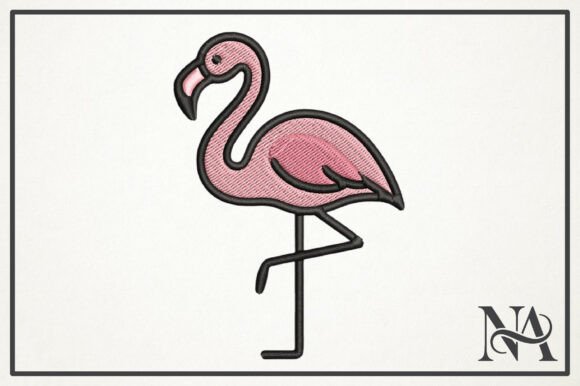
As soon as I opened the Flamingo Machine Embroidery Design, I could tell it was created with a clear visual voice. The elegant, minimalist flamingo stands on one leg, its graceful curve radiating a calm tropical warmth. The description calls it “Elegant and minimalist flamingo embroidery design featuring a pink tropical bird standing on one leg,” and that is exactly what you get. There is no unnecessary clutter, no overly intricate detail that would muddy the stitch‑out on a chest logo or a cap front. The design feels both modern and classic, a blend that works beautifully for small businesses that want to project handmade charm without looking rustic or cluttered. For a boutique, a beachside café, or a pet brand with a soft, friendly identity, this machine embroidery design will immediately add a polished, professional touch.
Translating the Design for Commercial Embroidery
When I evaluate any digital embroidery file for business merchandise, my first thought is always how it will behave on real fabric. The Flamingo Machine Embroidery Design uses a deliberate, graceful silhouette that seems to ask for just a few thread colors to bring it to life. This simplicity is a huge advantage. Fewer thread changes mean faster stitch‑outs on multi‑head machines, and less room for registration errors. The pink body, the delicate leg, and what appears to be a subtle eye detail all work together without requiring complex shading. For a shop producing bulk branded merchandise, that consistency across dozens of pieces is worth its weight in thread.
From Screen to Stitch: What Makes This Flamingo Design Work
The minimalist approach eliminates many of the headaches I often see with highly detailed Birds embroidery. There is no tiny feather texture that will turn into a blob at 2‑inch width, no lettering that blurs on a textured polo shirt. Instead, the designer leaned into the iconic flamingo curve. The long neck, the single standing leg, and the subtle beak shape are all strong visual anchors that read clearly even from a distance. For a brand identity piece, this is key. A customer spotting the flamingo on a tote bag or an apron should instantly recognize the silhouette. This design delivers that recognizability without overpromising on detail that the stitch density cannot support.
Business Applications: Branded Merchandise and Uniforms
I could immediately picture the Flamingo Machine Embroidery Design on a range of products that small business owners rely on every day. Its friendly, premium feel makes it a strong candidate for customer‑facing merchandise and internal team uniforms alike. Below are the most practical applications I’d recommend.
Embroidered Patches and Small Accents
Because the design is so clean, it works brilliantly as an embroidered patch. You can stitch it out on felt or twill, trim it into a neat shape, and apply it to denim jackets, canvas bags, or even as a removable badge on a cap. For a small business merch line, a custom patch like this adds perceived value. Customers love the tactile, handmade quality of a patch they can sew onto their own gear. As a chest accent on a work shirt or a sleeve detail on a polo, the flamingo immediately elevates the garment from plain uniform to branded statement piece.
Aprons, Caps, and Tote Bags
In a bakery or a florist shop, an apron embroidery is often the first thing a customer notices. The Flamingo Machine Embroidery Design, placed on the chest or the bib of an apron in soft pink thread, tells a story of care and personality. It is professional but not corporate. For cap embroidery, the design’s vertical orientation and lack of wide horizontal elements make it a good fit for the center front of a structured cap, though I always test the curvature first. On a tote bag design, the flamingo can be scaled up slightly to become the star of the bag, turning a simple carry‑all into a branded product that customers will reuse and show off. The commercial appeal is strong: it’s an Embroidery piece that feels exclusive and intentional.
Potential Pitfalls and Size Constraints
No design is perfect for every scenario, and I always caution small business owners to test Flamingo Machine Embroidery Design in the specific context they plan to use it. The standing leg is a critical detail. At very small patch sizes—under 1.5 inches tall—that thin leg could become problematic. A high stitch density on such a narrow area might cause puckering or even thread breakage on some fabrics. I recommend doing a stitch‑out and, if necessary, simplifying the leg column slightly or using a finer thread to maintain integrity. Similarly, if you plan to use the flamingo on a heavily textured fabric like a thick fleece or a piqué knit, check that the delicate outline doesn’t sink in. A proper stabilizer is essential here; a cut‑away stabilizer will keep the shape crisp on unstable surfaces.
Another careful‑use point is dark uniforms. The flamingo is predominantly pink, and on a black polo or a navy apron, that pink needs to pop. I always test the thread colors on the actual fabric before committing to a production run. A pale pink that looks vibrant on white may appear washed out on charcoal. Sometimes a slightly warmer or more saturated pink is a better choice for high‑contrast branding. Finally, while the design is elegant, its minimalist nature means there is very little room for error. A misaligned hoop or a slight registration shift will be more noticeable because the silhouette is so pure. Double‑check your hoop placement and make sure your machine is well‑maintained before running a large batch.
Brand Identity and Customer Perception
Every machine embroidery design you put on merchandise becomes part of your brand’s visual language. With the Flamingo Machine Embroidery Design, the association is instantly positive: relaxation, warmth, nature, and a touch of whimsy. For a creative studio, a handmade soap brand, or a pet grooming service, that emotional connection translates into higher customer trust and stronger recall. When someone sees your flamingo‑branded tote bag at a farmers’ market, they’re not just seeing a logo; they’re seeing a lifestyle cue. This is why I place such high value on design assets that can be used consistently across products. A patch on a jacket, a tiny accent on a product label, and a bold motif on a canvas banner can all feature the same flamingo, creating a cohesive brand identity that feels deliberate and professional.
From a sales perspective, a well‑embroidered flamingo immediately boosts the perceived value of a handmade product. Customers associate embroidery with quality and care. If you’re an Etsy seller offering custom‑stitched gift sets, this flamingo can be the unifying signature that makes your shop memorable. Even a small-scale printable mockup of the flamingo stitched on a kraft paper tag can elevate your packaging to boutique level. The commercial embroidery potential extends to loyalty gifts, event merchandise, or limited‑edition drops. The design feels fresh but timeless, which means it won’t look dated after one summer season.
Practical Embroidery Designer’s Checklist
Before you finalize your order and stitch the Flamingo Machine Embroidery Design on your entire inventory, here is the exact process I follow for all commercial design assets. This checklist will save you time, materials, and potential brand damage.
Test, Test, Test
- Stitch it in black first. A black thread sample on white fabric reveals every density issue, trims, and jump stitches without the distraction of color. Only after you approve the structure should you move to the intended pink palette.
- Check small patch size. Scale the file to the smallest size you’ll use—say a 2‑inch‑wide patch. Does the leg remain distinct? Does the eye close up? If details disappear, you’ll need to adjust the digitizing or choose a larger minimum size for your branded products.
- Evaluate thread contrast. Pair the design with a range of background fabrics, from light linen to dark denim. Ensure the pink shade you choose matches your brand identity and doesn’t clash with existing uniform colors.
- Inspect spacing and registration. The minimalist lines must be sharp. Check for any overlapping stitches that look bulky and any gaps in the outline. Even a half‑millimeter shift can make a clean silhouette look sloppy.
- Confirm hoop size and file specs. The description didn’t include a specific hoop dimension, so verify with the seller whether the Flamingo Machine Embroidery Design fits your machines. Ask about supported file formats, stitch count, and whether multiple sizes are included. Never assume a single file will scale cleanly from a cap to a tote bag without re‑digitizing.
- Test on real fabric. Don’t rely solely on a test on plain cotton. If your final product is a polyester apron or a structured cap with a curved front, run the design on that exact material. Use the stabilizer you will rely on in production. This step alone has saved me from countless rushed re‑orders.
- Create a mockup for client approval. If you’re a decorator working with a bakery, café, or retail brand, present a digital or stitched printable mockup of the flamingo on their actual product. This manages expectations and gives the client confidence in the finished look.
- Compare against other design assets. Lay the finished stitch‑out next to your existing logos, patches, or brand marks. Does the flamingo complement them, or does it feel disconnected? Visual consistency across all touchpoints—uniforms, packaging, signage—strengthens recognition and trust.
- Double‑check commercial licensing. The description didn’t detail license terms. Before you stitch the Flamingo Machine Embroidery Design on items for sale, confirm with the designer that the file is cleared for commercial embroidery use. A design meant for personal home use only could land you in legal trouble if you build an entire product line around it. Always secure written confirmation.
Final Thoughts for Crafters and Small Business Owners
The Flamingo Machine Embroidery Design is more than a pretty tropical bird; it’s a strategic design asset for anyone looking to add a signature mark to their merchandise. Its elegant simplicity gives you the flexibility to use it on patches, aprons, cap fronts, and tote bags without the technical stress that complex designs often bring. As long as you respect the size limitations and test thoroughly on your specific fabrics, this flamingo will turn a plain garment into a memorable brand statement. In a crowded market where handmade and small‑batch goods need to compete with large‑scale retailers, a beautifully stitched emblem like this can be the difference between a one‑time sale and a loyal, repeat customer who feels connected to your story.