Baseball Nana Leopard Embroidery PNG Under Review
First Look at a Design That Mixes Attitude with Nostalgia
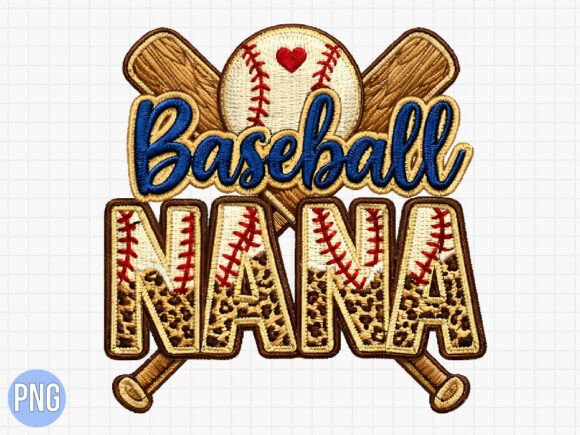
Some embroidery designs try too hard to be everything at once. Others land on a narrow idea and hope it sticks. The Baseball Nana Leopard Embroidery PNG does something smarter. It takes three distinct visual cues — baseball culture, grandmotherly warmth, and bold leopard print texture — and fuses them into one cohesive graphic that feels playful without tipping into cartoonish territory. That balance is harder to achieve than most people realize, and it is the first thing I noticed when I opened the high-resolution file.
The transparent background PNG sits cleanly at 300 DPI, which means the edges are crisp enough for digitizing software to read clearly. The leopard print fill gives the design texture and personality without adding unnecessary complexity. From a digitizer's perspective, this type of graphic translates well into a machine embroidery design when you pay attention to how the pattern interacts with stitch direction. The theme reads instantly: this is for a proud grandmother who loves baseball and is not afraid to show some flair. The mood is celebratory, a little sassy, and genuinely warm.
How It Feels When You Picture It on a Finished Product
I evaluated this graphic with a specific scenario in mind. A small boutique owner I work with regularly runs a line of personalized gifts aimed at grandmothers who attend their grandchildren's sports events. She wanted something that a grandson or granddaughter could gift to their nana — something that would make her smile and wear it to every game. The Baseball Nana Leopard Embroidery PNG immediately felt like a strong candidate for that exact customer.
Imagine this stitched onto a soft crewneck sweatshirt in a heathered charcoal gray. The leopard spots would be rendered in fill stitch, maybe with a subtle satin border around the lettering to make the word Nana pop. The baseball element — whether it is a cap silhouette, a crossed-bat motif, or a circular badge shape incorporated into the design — gives the whole thing structure. On a tote bag design, the same graphic would work brilliantly in a larger hoop, maybe 5x7 or bigger, centered on the front panel with a bright thread palette that echoes team colors. I could also see it on a kitchen towel for a nana who hosts game-day gatherings, or on a zip-up hoodie for early spring ballgames when the bleachers are still cold.
The visual personality of this design leans toward the boutique-casual market. It is not formal. It is not minimalist. It is the kind of graphic that sparks conversation — someone sees it at a baseball diamond and immediately asks where they can get one. That is the kind of word-of-mouth value a small shop product needs to build momentum.
Fabric Choices and Surface Considerations That Matter
When you work with a design that includes patterned fill areas — like the leopard texture in this PNG — your fabric choice becomes a quiet but critical decision. Smooth, stable fabrics will serve this graphic best. I would reach for cotton twill, canvas, or a midweight poly-cotton blend for bags and jackets. For apparel, a ring-spun cotton tee or a french terry sweatshirt gives you a flat stitching surface that holds stitch density well without puckering.
On textured fabrics like waffle knit or slub cotton, the leopard pattern could lose its crispness. The texture of the fabric competes with the texture of the design, and the result can look muddy. I have learned this the hard way with similar patterned graphics. If you must use a textured base, increase your stabilizer weight and consider a topping layer to keep the stitches sitting on top of the fabric rather than sinking in.
Stretchy fabrics pose a related challenge. A thin performance tee or a baby onesie made from ribbed cotton spandex needs extra stabilization and possibly a smaller design size to prevent distortion. The Baseball Nana Leopard Embroidery PNG has enough internal detail that you do not want hoop tension or fabric stretch pulling the leopard spots out of alignment. Test on scrap fabric first, always, and check how the graphic holds its shape after a wash and dry cycle.
Where the Design Shines and Where You Should Pause
This graphic thrives on products where the embroidery can breathe — flat surfaces with generous hoop space. Tote bags, pillow covers, aprons, and the back panel of a denim jacket all give the design room to speak clearly. On smaller items like baby bibs or infant onesies, you will need to scale down carefully. The leopard spots, depending on how tightly they are spaced in the original PNG, may become too dense at small sizes. A good rule of thumb is to run a stitch simulation or a paper printout at actual size before you commit thread to fabric.
I would also pause before using this on caps or curved visors. The structured front panel of a baseball cap seems like a natural fit thematically, but the curvature can warp lettering and patterned fills if the design is not specifically adjusted for cap hoops. If cap embroidery is part of your product line, confirm that the graphic can be adapted to a cap-compatible layout with minimal distortion. The same caution applies to patches — a patch version of this design sewn onto a backpack or a letterman jacket would look fantastic, but patch borders need clean margins, and the leopard pattern should not run too close to the edge stitching.
Thread Colors and Contrast Decisions
The leopard print element gives you flexibility with thread colors. A traditional leopard palette uses warm taupes, browns, and creams, and those neutrals sit beautifully on almost any background. But I have also seen designers push leopard patterns into unexpected colorways — dusty rose, sage green, even metallic gold — and this graphic would support that creative choice if your brand aesthetic calls for something less literal. The lettering, likely the word Nana in a bold script or block type, needs high contrast against the leopard fill. A dark charcoal or deep espresso thread for the text over a lighter leopard base keeps legibility strong.
Dark fabrics present both opportunity and challenge. On a black sweatshirt, the leopard spots in warm caramel tones would glow, and the overall look would feel elevated and modern. On a navy or forest green background, you might need to lighten the leopard palette slightly to maintain visual separation. Always test your thread choices on a swatch of the actual fabric you plan to use. What looks balanced on screen may read flat or washed out once stitched.
Thinking Through the Customer's Reaction
When someone buys a personalized gift with this design on it, they are buying an emotional connection as much as a physical product. The grandmother who receives a tote bag with Baseball Nana Leopard Embroidery PNG stitched prominently on the front will likely use it at games, at the grocery store, at family gatherings. Every time she carries it, she is reminded that someone thought about her specific identity — her love of baseball, her pride in being a nana, and her personality that embraces a leopard print kind of confidence.
That emotional layering is what transforms a simple embroidery file into a product that sells repeatedly. For Etsy sellers and craft business owners, designs that tap into identity markers like this tend to perform well because they are specific enough to feel personal but broad enough to appeal across a wide demographic. A nana in Texas and a nana in Ohio might have different team loyalties, but they share the same proud grandparent identity that this graphic celebrates.
Practical Workflow Notes for Embroidery Professionals
Before you commit this design to a client project or a product listing, there are a few embroidery designer habits I recommend following. First, unzip the downloaded file and inspect the PNG at full resolution. Zoom into the leopard spots and check for any pixelation or edge artifacts that could confuse your digitizing software. A clean 300 DPI file with a true transparent background should digitize smoothly, but always verify.
Second, test the design in grayscale. Converting the PNG to black and white temporarily helps you evaluate whether the tonal range is wide enough to produce clear stitch differentiation. If the leopard spots blend into the background lettering when desaturated, you may need to adjust thread color assignments or slightly modify the digitized file to increase contrast.
Third, confirm your hoop size before you start stitching. The actual dimensions of the graphic will determine the smallest hoop you can reasonably use without compromising detail. If the design is wider than your standard 4x4 hoop at your preferred stitch quality, you have two choices: scale down and simplify, or move up to a larger hoop format. Neither is wrong, but you should know the answer before a customer places an order.
Fourth, use a proper stabilizer for your fabric type. I default to a medium-weight cutaway stabilizer for most apparel projects with this level of stitch coverage. For tote bags and home decor items, a tear-away may suffice, but I prefer the longevity that cutaway provides, especially on items that will be washed frequently.
Licensing, Commercial Use, and Business Considerations
The product listing describes this as a high-quality digital design file for creative use, and it arrives as a PNG within a ZIP folder. Before you sell finished products featuring the Baseball Nana Leopard Embroidery PNG, take a moment to review whatever usage terms accompanied your purchase. Some digital design sellers allow full commercial use on physical products. Others limit the number of finished items you can sell or restrict the file from being resold as a digital asset. If the license terms were not clearly stated, reach out to the seller and ask directly. A quick email now can prevent a dispute later, especially if you plan to list products across multiple platforms or scale up for craft fair products and wholesale orders.
For those creating printable mockups or digital product previews, the transparent background makes layering straightforward. You can place this graphic onto photos of blank sweatshirts, tote bags, or pillow covers to create listing images that help buyers visualize the finished product before you stitch a single sample. That visual clarity increases buyer confidence and can reduce the number of custom-order questions about sizing and placement.
Final Observations After a Thorough Design Review
The Baseball Nana Leopard Embroidery PNG earns its place in a working embroidery designer's library because it solves a specific need with personality and polish. It is not a generic sports graphic. It is not a generic grandma design. The combination of elements creates a niche that feels underexplored, and that is where the business opportunity lives. When you find a Graphics asset that speaks directly to a passionate audience — in this case, proud grandmothers who love baseball and bold style — you have a design that can anchor multiple product types across seasons and holidays. Mother's Day gifts, birthday presents, tournament commemoratives, and everyday boutique apparel all fit within its range.
Take the time to test it properly. Choose your fabrics and threads with care. Respect the small details, especially the leopard pattern density, and adjust for each product type rather than using one stitch file across everything. The designers and small business owners who approach the Baseball Nana Leopard Embroidery PNG with that level of attention will get the most out of it — and so will the customers who wear and use the finished products with pride.
Quick Reference for Stitching Success
- Inspect the PNG at full resolution before digitizing to confirm edge quality and transparency
- Test thread colors on your actual fabric, not just on screen, to verify contrast and readability
- Choose smooth, stable fabrics for the cleanest result; avoid heavily textured or overly stretchy bases unless you adjust stabilizer and hoop technique
- Run a grayscale check on the design to catch tonal blending issues before stitching
- Confirm hoop size compatibility and scale the design thoughtfully, especially for baby items and small accessories
- Review licensing terms before selling finished products or using the file in commercial embroidery projects
- Stitch a test sample on scrap fabric and wash it once to evaluate durability and appearance
Who This Design Works Best For
If you make custom apparel for family events, sell handmade products at weekend markets, run an Etsy shop focused on personalized gifts, or build boutique product lines around identity-driven themes, this graphic fits your workflow. It also works well for embroidery professionals who offer commercial embroidery services to local sports teams, booster clubs, and family reunion organizers. The crossover appeal between baseball culture and grandmother pride is genuine, not forced, and that authenticity translates into buyer engagement and repeat orders.
The Baseball Nana Leopard Embroidery PNG reminds me why I enjoy reviewing embroidery-ready design assets. When a graphic understands its audience, respects the stitching medium, and leaves room for creative interpretation, it becomes more than a file on a hard drive. It becomes a product that people wrap up as a gift, wear to a game, and keep in their rotation for years. That is the standard I look for, and this design clears it with style to spare.